


Youth Information Across Borders: Insights from Catalonia
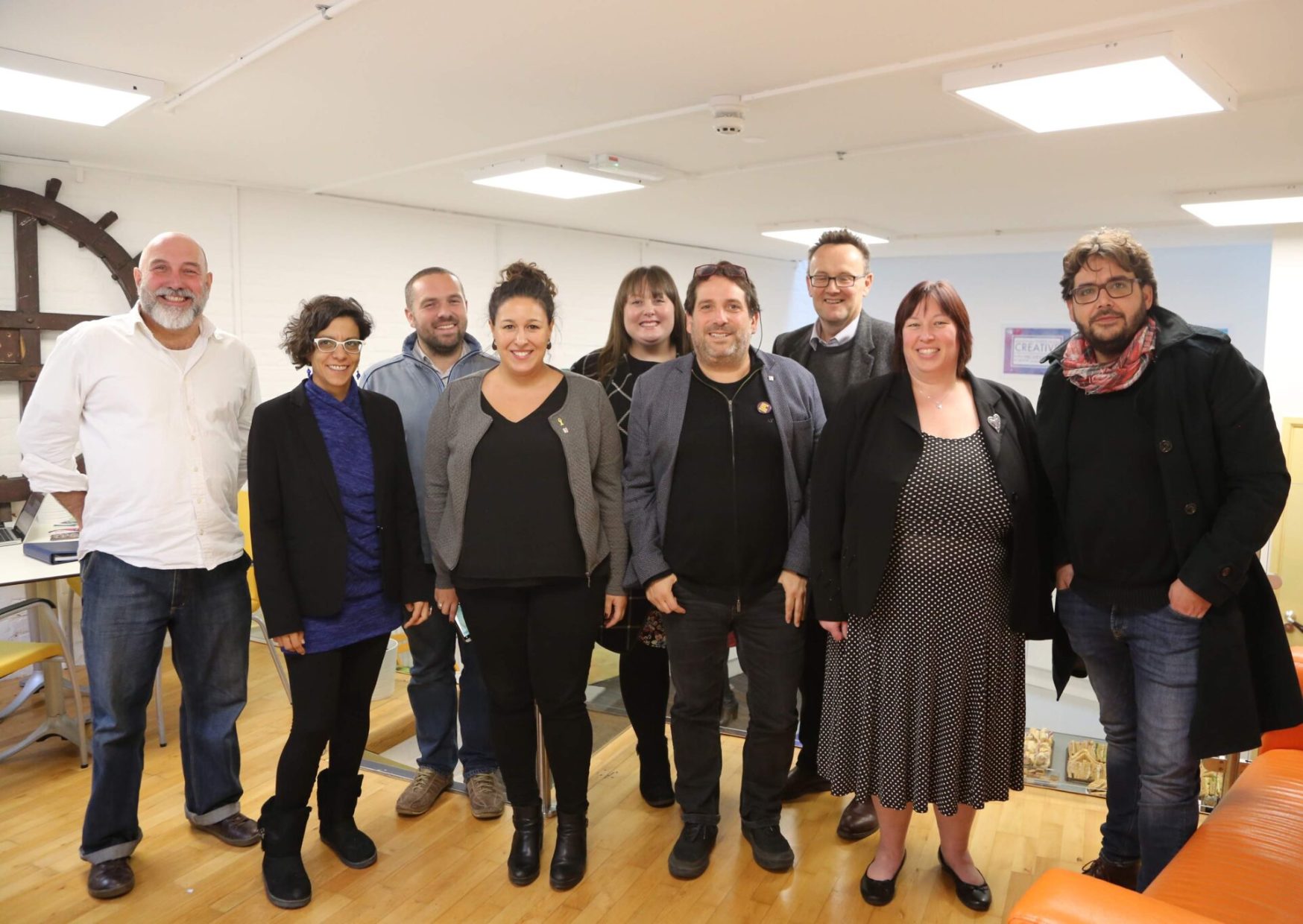
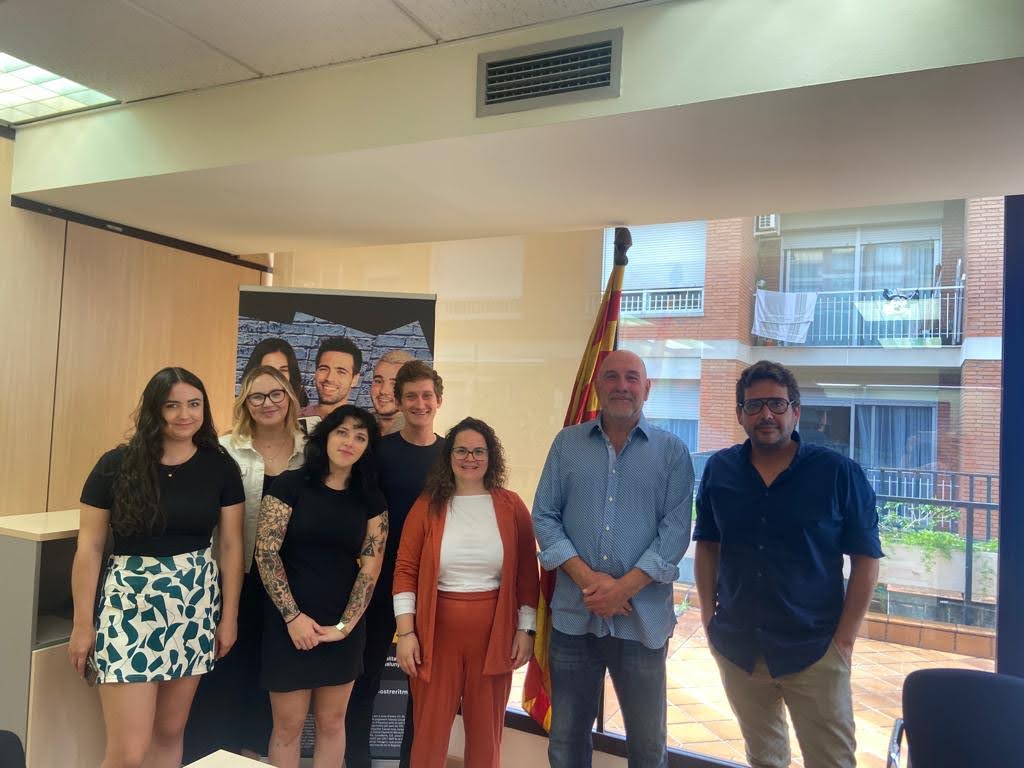
Last year as part of a Taith-funded exchange, our team, along with representatives from the Welsh Government Youth Work Strategy Implementation Board, visited Catalonia to explore their youth information systems
We wanted to share some of our insights and comparisons with Wales. If you’re interested in our activities during the trip, find out more here.
Why Wales and Catalonia?
In 2018, the Catalonian Youth Agency visited ProMo Cymru to explore our services.
Catalonia and Wales share governance, language, and cultural similarities, with devolved governments handling education and health. Both regions face challenges related to bilingualism and rural service provision.
Catalonia – Centralised Coordination
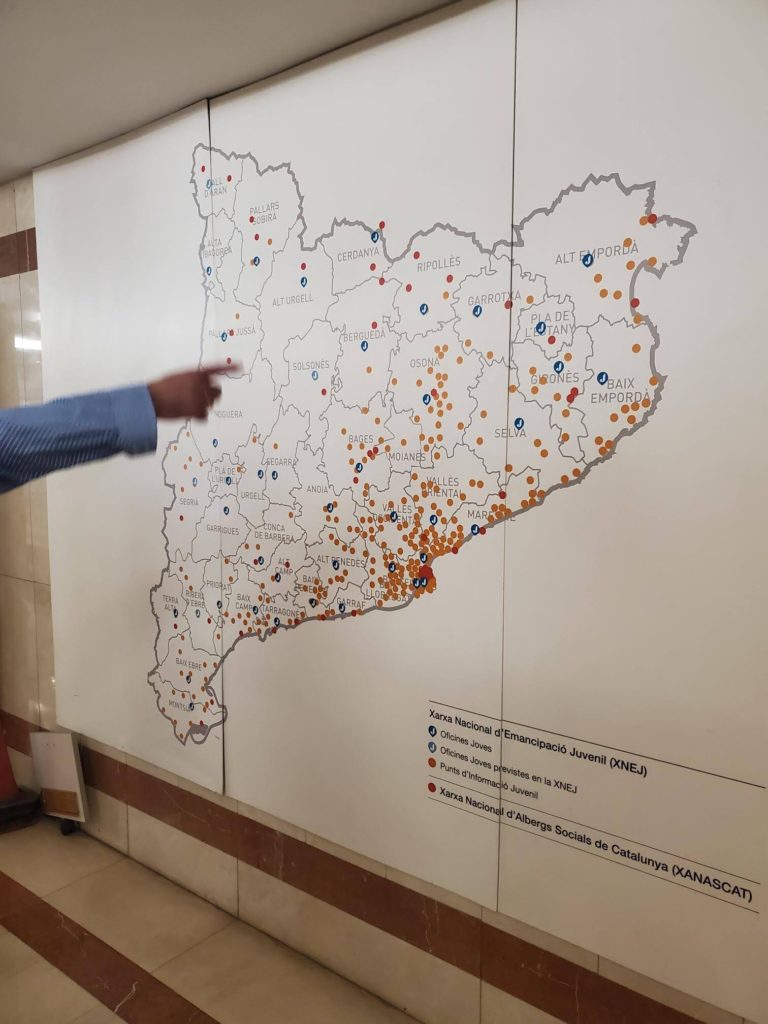
Catalonia’s Generalitat coordinates youth services through the Xarxa Nacional d’Emancipació Juvenil (XNEJ) network. Within the network Agència Catalana de la Joventut implements policies, manages programs, and collaborates with local organisations.
The XNEJ offers employment support, housing assistance, educational guidance, health resources and more. There are over 300 Youth Information Points. Although this model provides uniformity, it can struggle with adaptability and resource allocation due to bureaucracy.

Wales – Decentralised Flexibility
Youth services and education are integrated within the Welsh Government’s Department for Education and the Welsh Language. The decentralised approach allows adaptability and innovation with local authorities tailoring services to community needs. Multiple organisations offer diverse support in locations like schools, community centres and online platforms
This can lead to inconsistencies in service quality and availability meaning uneven support, particularly in disadvantaged areas.
Key comparisons
Both regions face similar challenges, particularly in rural service accessibility and maintaining local languages.
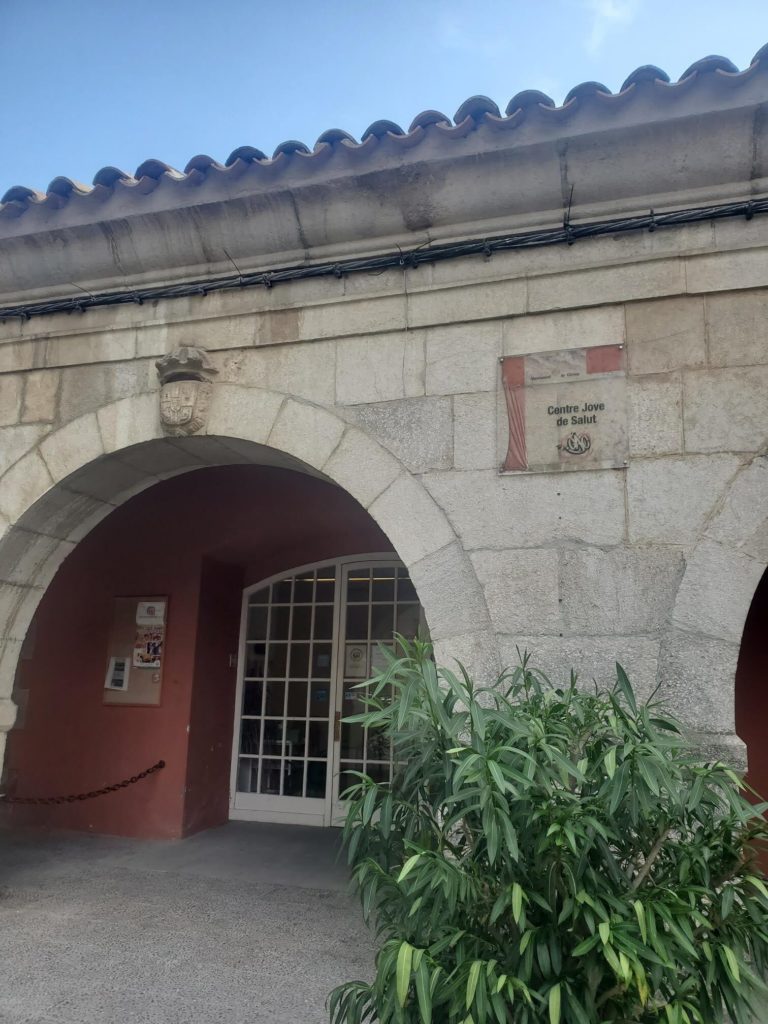
Catalonia integrates health into youth services more effectively, with dedicated health support at places like Girona Youth Health Centre. Health advisors there are classified as youth workers which improves delivery and creates youth-centred health centres with trained professionals.
Young people are defined as 12-35 in Catalonia (11-25 in Wales). They offer comprehensive support on things like employment and housing, but this wider age range could strain resources. Wales can offer targeted support to our smaller age range but not for older young adults transitioning to independence.
Digital Integration Challenges
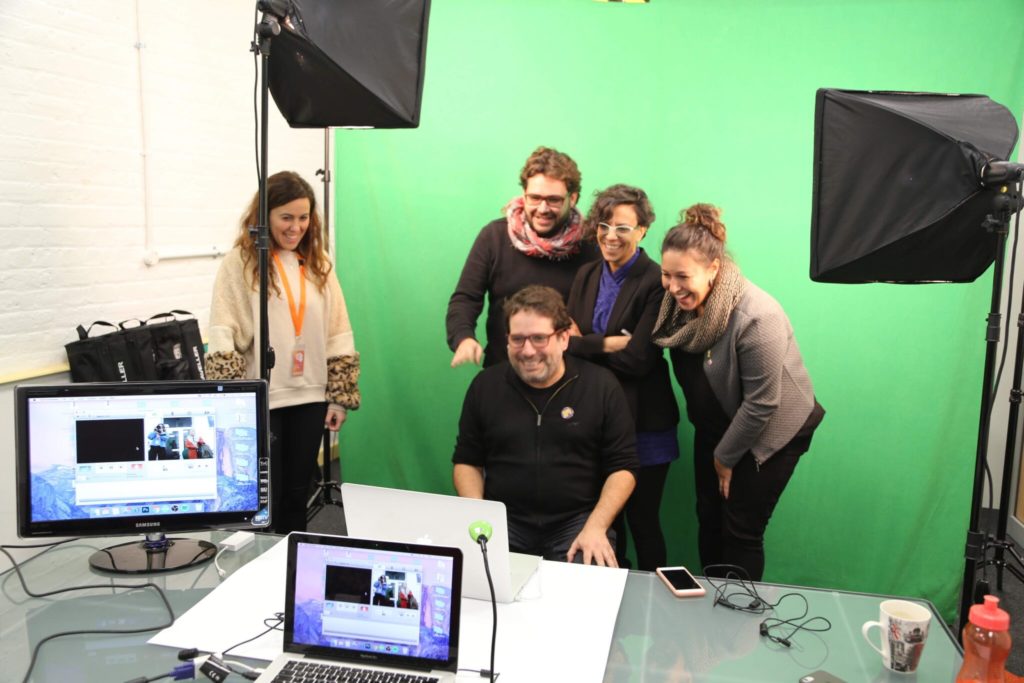
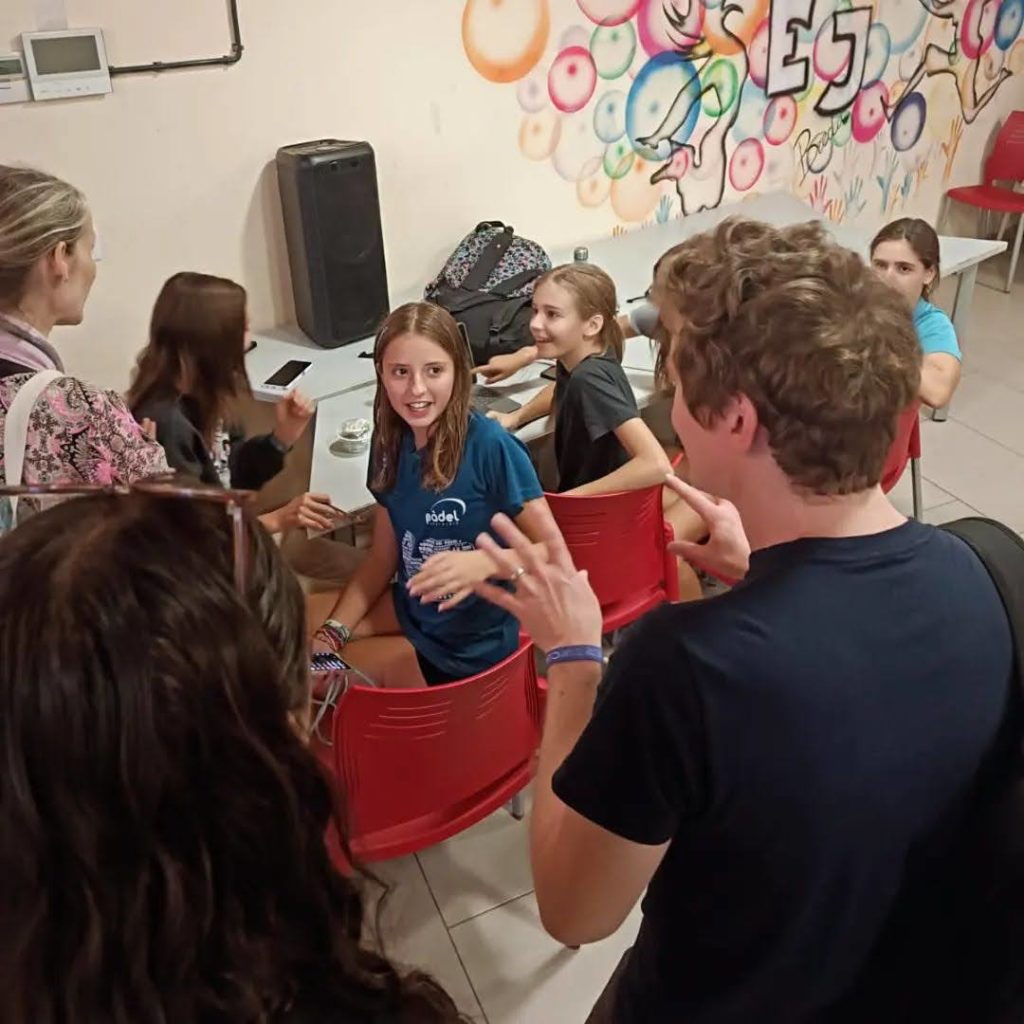
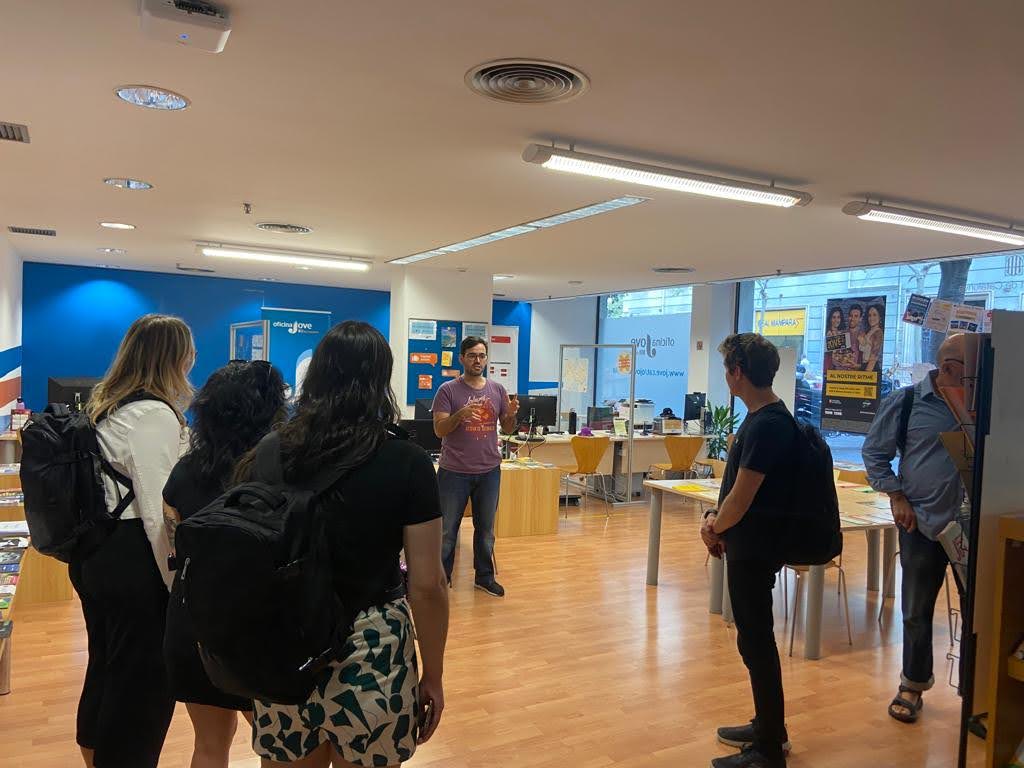
Catalonia’s youth services rely heavily on face-to-face engagement with limited digital tools, but the formal, office-like environment of some centres seemed to discourage engagement. We did see some digital elements during our visit to Breda Youth Club, like gaming and a video-making competition.
Incorporating digital engagement could effectively reach those who avoid or struggle with face-to-face services. ProMo’s projects like Sprout and Meic, along with Cardiff Youth Service’s digital team, show how online platforms enhance accessibility for young people.
Entitlement cards and apps
With over 500,000 users, Catalonia’s entitlement card focuses on discounts rather than sharing information digitally. Apps and cards seemed underdeveloped, with infrequent updates and low engagement. Some professionals were concerned about partnerships with brands promoting unhealthy products.
Learning from each other
Wales could adopt Catalonia’s centralised coordination, youth entitlement card, and youth health workers. Catalonia could benefit from Wales’ digital approaches. Combining our methods could enhance youth support and access to information.
Halyna Soltys
23 August 2024

News
Information

Related Articles
News
Paid Opportunity: Join NHS Wales’ Mental Health Research Lived Experience Panel
We are looking for people aged 14+ to join 2 groups (1 for young people and 1 for adults) to help us shape mental health research in Wales. About the research project People in the UK often wait a long time to get mental health support. In Wales, a new system is being introduced called […]

Jobs
[Closed] Job Opportunity: Communications and Projects Assistant
Up to 21 hours per week. Cardiff and homeworking. Join our amazing team! Are you enthusiastic about working on projects that support young people and communities to influence change? We have an exciting opportunity for a Communications and Projects Assistant to join our dynamic team and help deliver engaging communications and impactful projects. Why you’ll love working at ProMo Cymru: What you’ll be doing: Get in […]
Jobs
[Closed] Job Opportunity: Welsh Content and Communications Officer
Perfect role for a creative, fluent Welsh speaker. Calling all content creators – join our creative team! Are you a creative writer with exceptional Welsh language skills looking for your next career step in a dynamic environment? ProMo Cymru has an exciting, permanent opportunity for a Welsh Content and Communications Officer to create high-quality bilingual content and campaigns. Join our team! […]

