


Through the Doors – School Attendance in Carmarthenshire
Moving beyond attendance statistics to understand the barriers and motivators shaping young people’s school experience.

Client
Carmarthenshire County Council
Sector
Public Sector
Partners
Youth Work Leadership Lab (Dr Emma Chivers), ProMo Cymru
Services
Co-designing
Service Design
What was the problem?
Following a local Estyn inspection, improving school attendance was highlighted as a key priority for Carmarthenshire County Council. While attendance numbers show how many pupils miss school, they don’t explain why. Traditional pupil voice work typically captures those who attend regularly, missing the young people facing the biggest barriers to showing up. Carmarthenshire Council needed a deeper, relational understanding of disengagement to inform their local attendance strategy.
Our approach
Aligned with Carmarthenshire’s Education Sir Gâr “listening to improve” priority, and using a rights-based approach grounded in Article 12 of the UNCRC and the National Participation Standards for Wales, ProMo Cymru and the Youth Work Leadership Lab worked in partnership with Carmarthenshire County Council’s Youth Support Service to give a platform to over 200 young people aged 11–16:
- 137 survey responses mapping key barriers and motivators
- 69 focus group participants sharing lived experiences of school life
- 5 life timeline interviews tracking individual educational journeys
- Evidence review connecting local experiences to wider research
We developed the ‘Through the Doors’ framework to map young people’s experiences into ‘Open Doors’ (supportive relationships, safe spaces, flexibilities) and ‘Closed Doors’ (sensory overwhelm, strict rules, punitive measures, anxiety).

Key findings
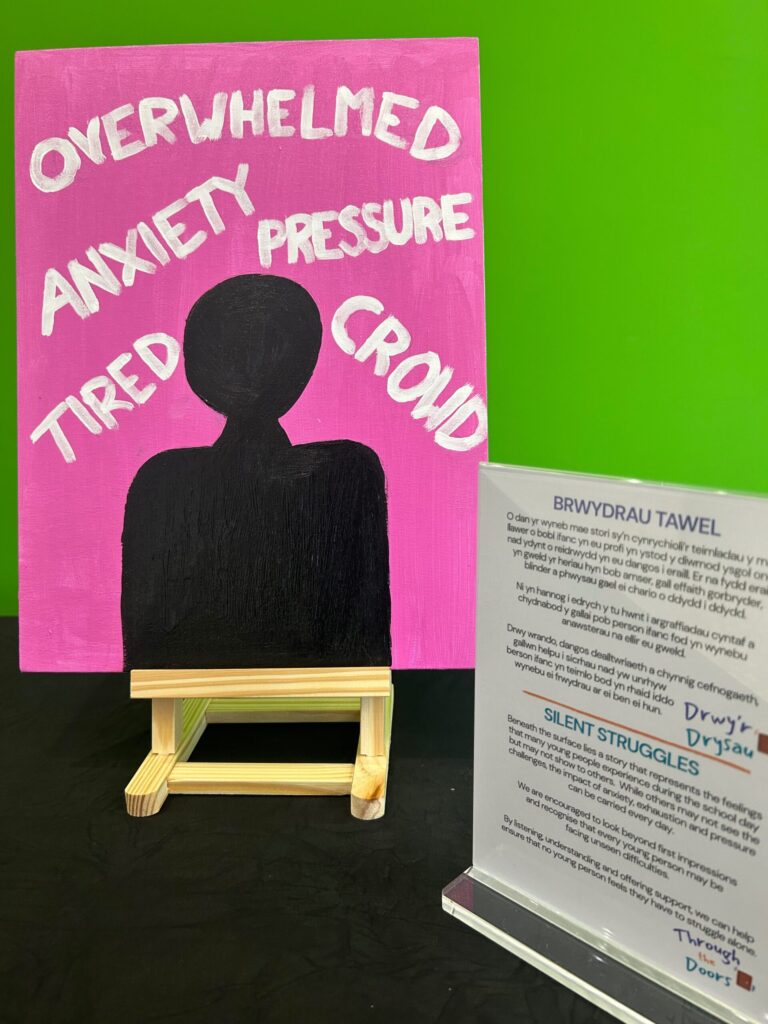
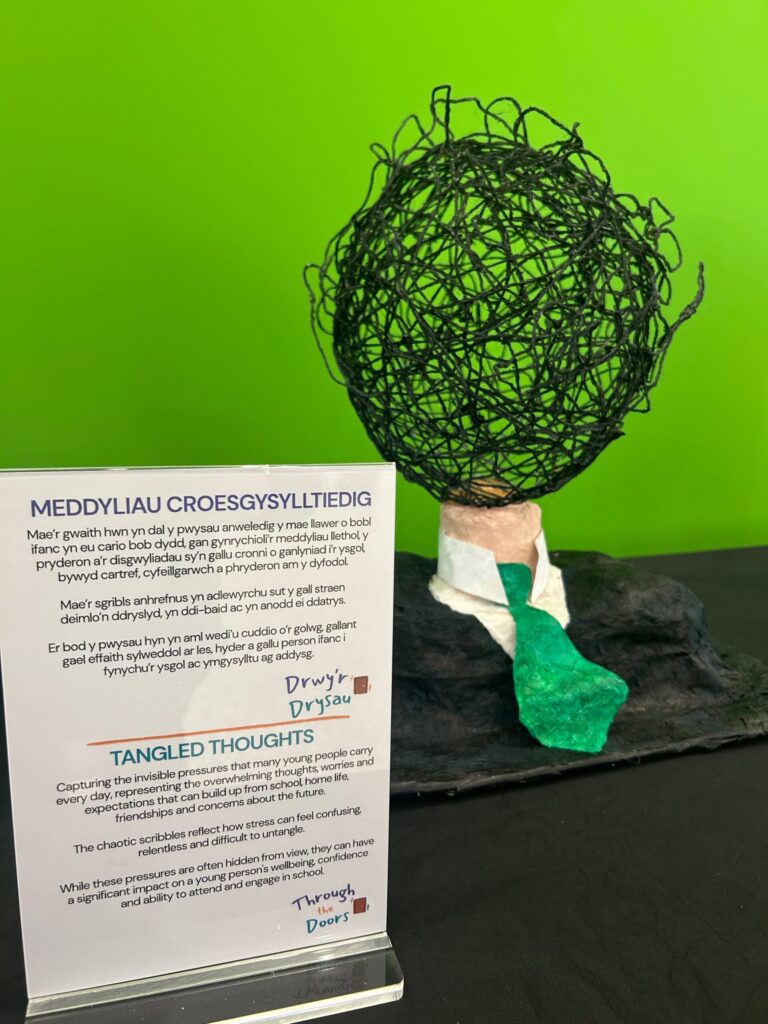
- Mental health and fatigue: 59% cited stress/mental health and 44% reported feeling burnt out or exhausted as major barriers to school
- Trusted adults matter: 60% said having at least one supportive adult made attendance easier
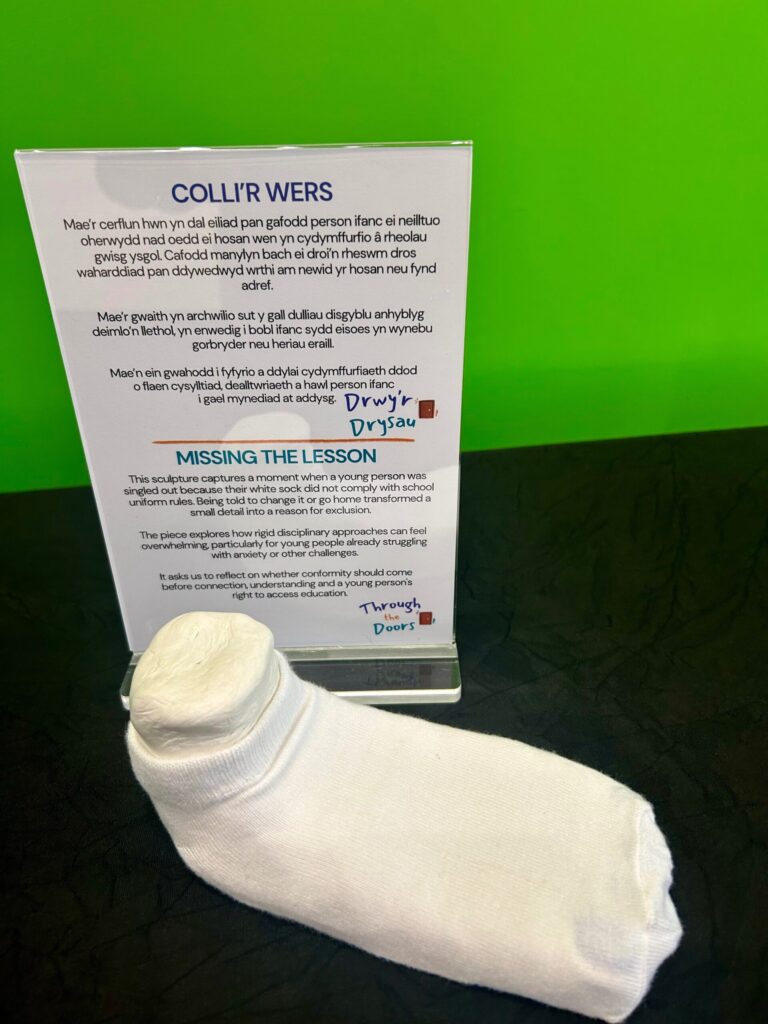
- Rules and environment: Locked toilets, rigid uniform rules, overcrowded corridors, and isolation rooms increase anxiety and drive young people away
- Re-engagement anxiety: 23% felt too far behind to return after missing school, fearing both academic failure and social judgment
Solutions for change
Young people shared simple, practical steps to make school easier to attend:
- Staff who listen: Shift to relational, respectful communication with less shouting
- Wellbeing support: Create calm spaces and provide better support during overwhelming moments
- Real-life learning: Deliver practical, meaningful lessons connected to life outside school
- Individual respect: Treat pupils as individuals, not numbers, and consult them before making new rules
- Flexible policies: Adapt uniform rules, unlock toilet access, and provide judgment-free re-entry after absence
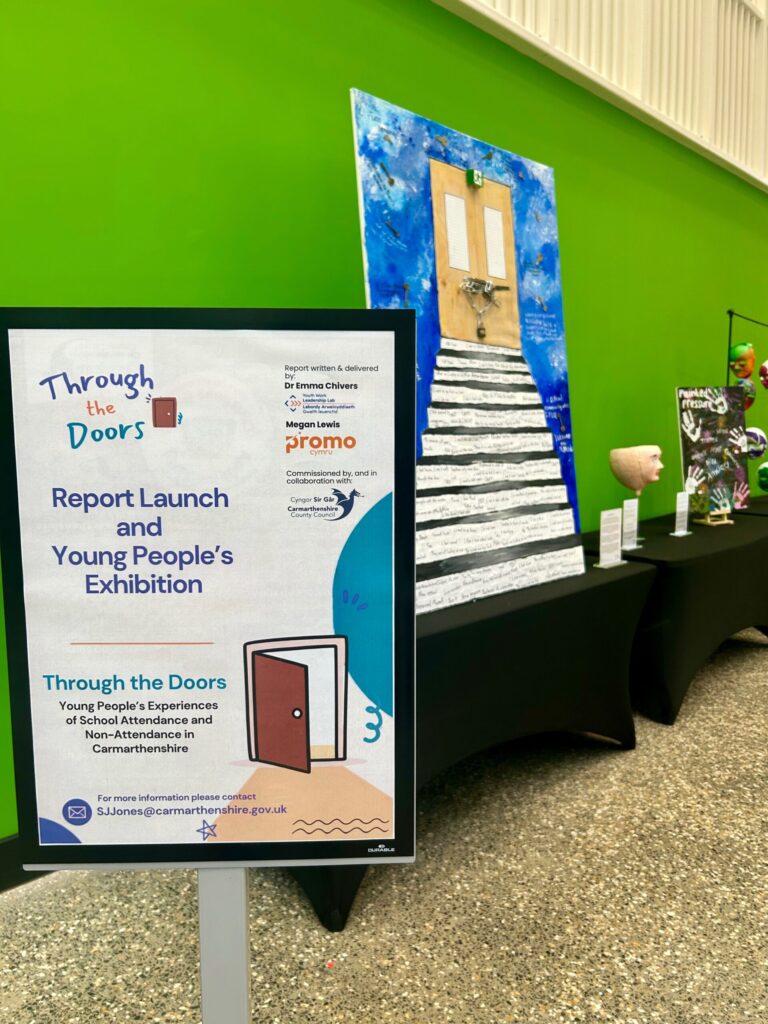
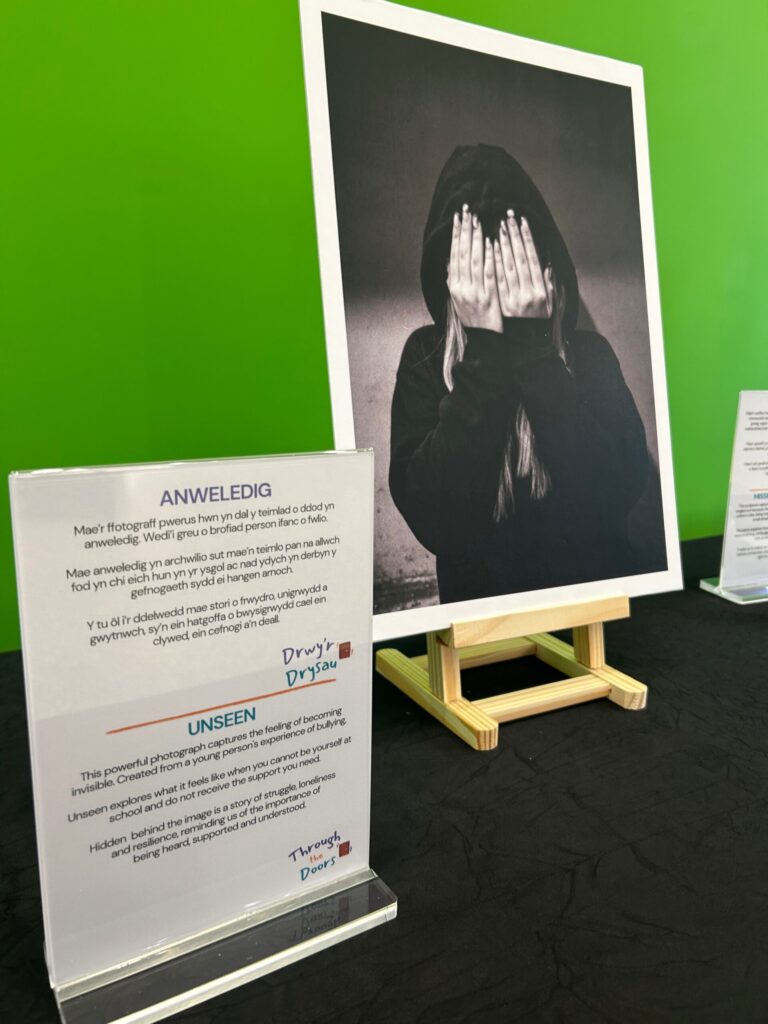
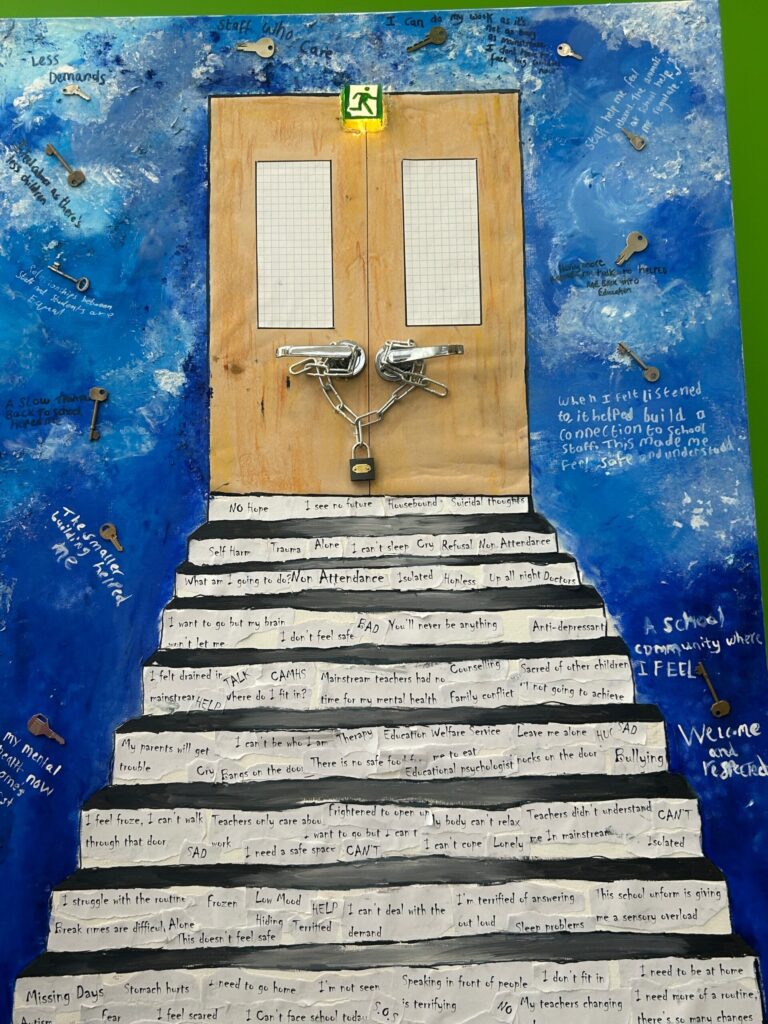
Exhibition and report launch
To launch the report and present our findings, an exhibition was hosted for key decision-makers, school leaders, and local partners. Alongside a youth-friendly infographic we produced, young people created a variety of visual and creative pieces to tell their stories and bring the report to life, ensuring their direct testimony is front and centre in driving real change.
Outcomes
Drawing on young people’s views, the report sets out eight core recommendations for local leaders, calling for stronger relational school cultures, early wellbeing and transition support, more flexible behaviour policies, and ongoing youth participation. This shared evidence base is now directly informing Carmarthenshire’s Education & Children’s Services strategy, supporting improvements across school inclusion and the Council’s five-year Youth Work Strategic Plan.
Turn Insight into Action
We collaborate with organisations to gather insight and turn it into action – co-designing inclusive, accessible, and people-centred projects and services. Get in touch to explore how we can work together.

