

Mind our Future Gwent
Youth-led mental health solutions for Gwent

Client
National Lottery Community Fund
Sector
Third and Public Sector
Partners
Mind in Gwent
Youth Services in Gwent
Local Minds in Gwent
Services
Service Design
Co-designed Digital Media
Training and Consultancy
Supporting young people to create improved mental health approaches for Gwent
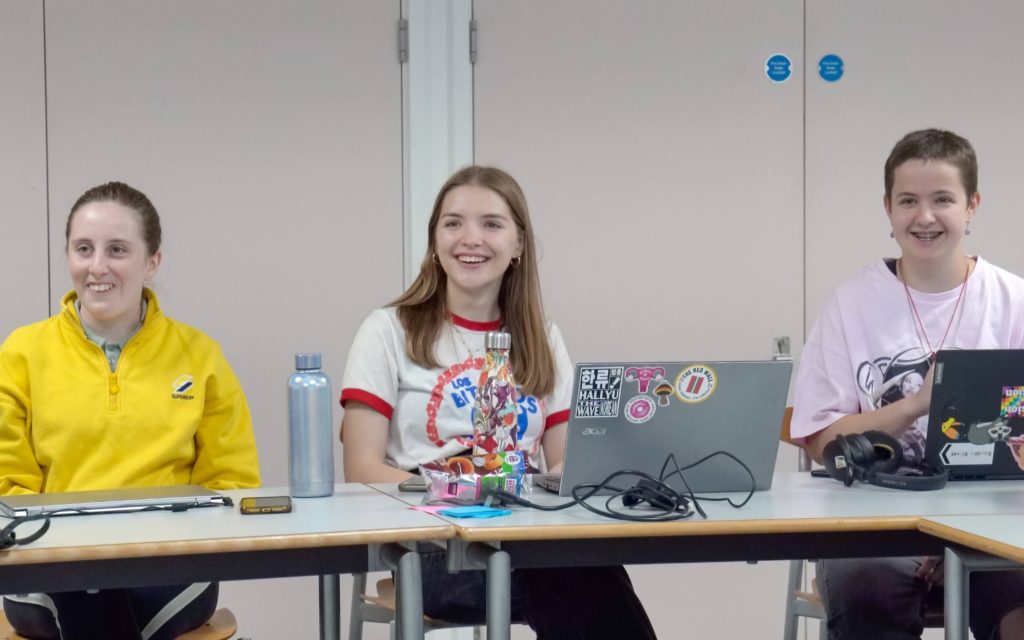
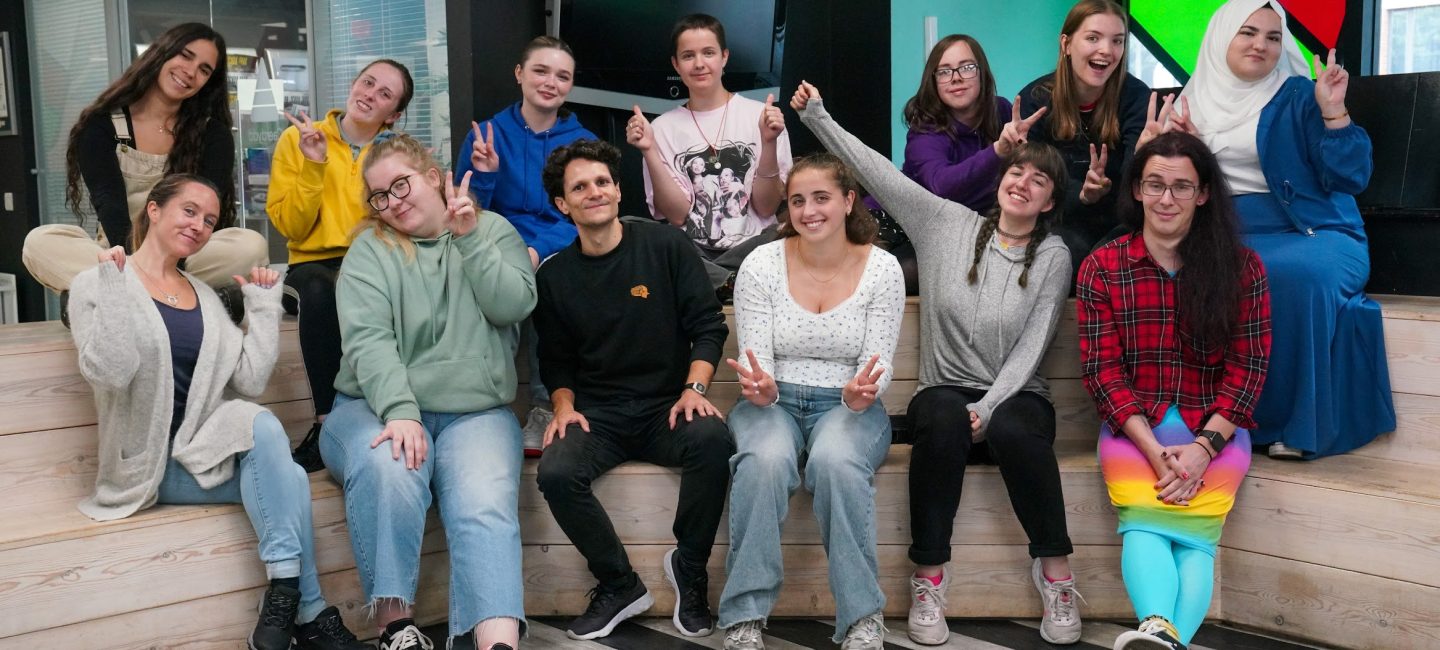
The Mind Our Future Gwent (MoFG) project is a five-year collaboration between ProMo Cymru and Mind in Gwent, working in partnership with local youth services and Minds across Blaenau Gwent, Caerphilly, Monmouthshire, Newport and Torfaen.
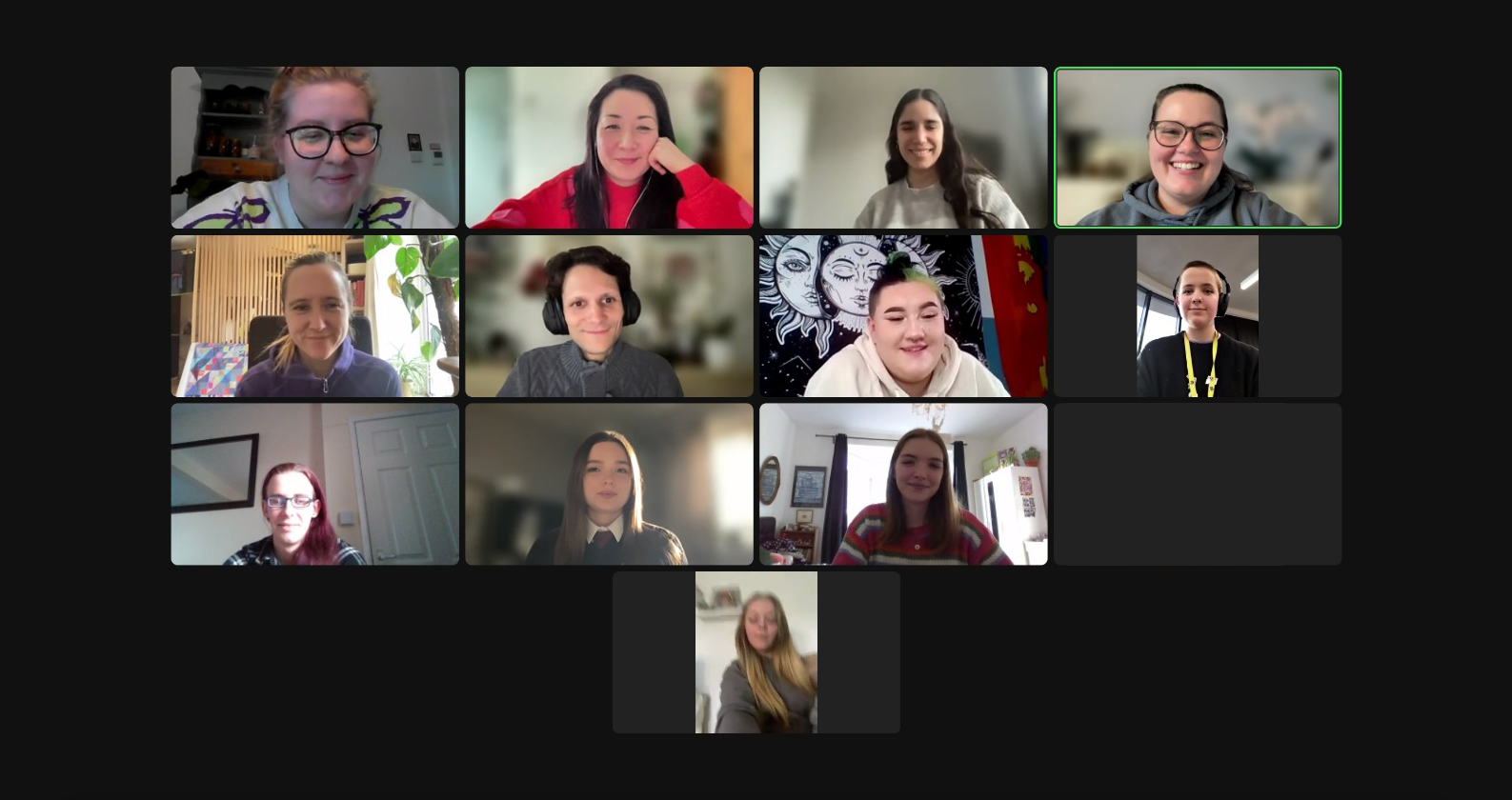
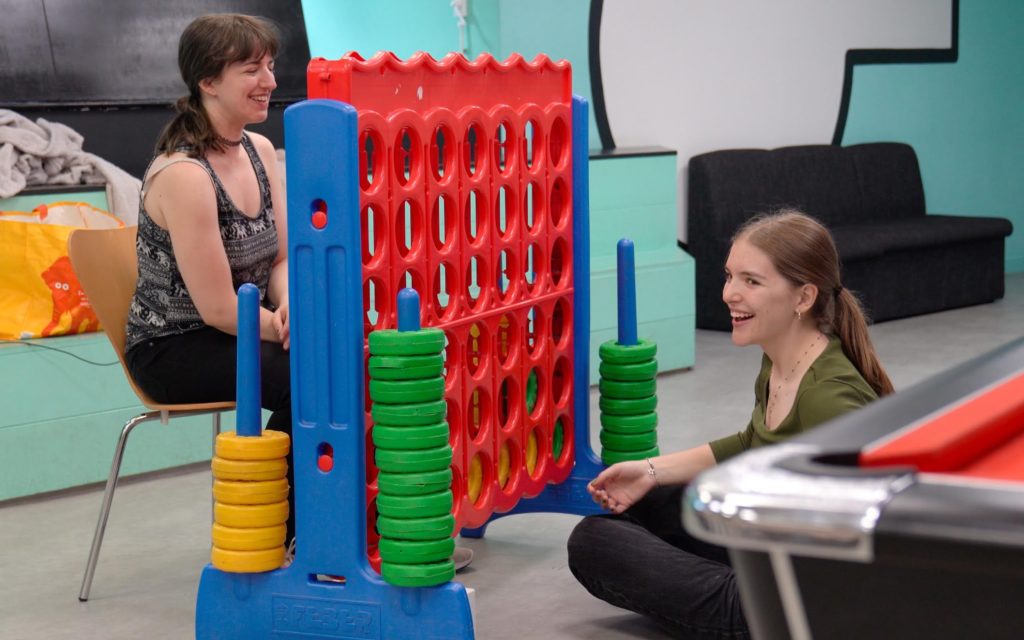
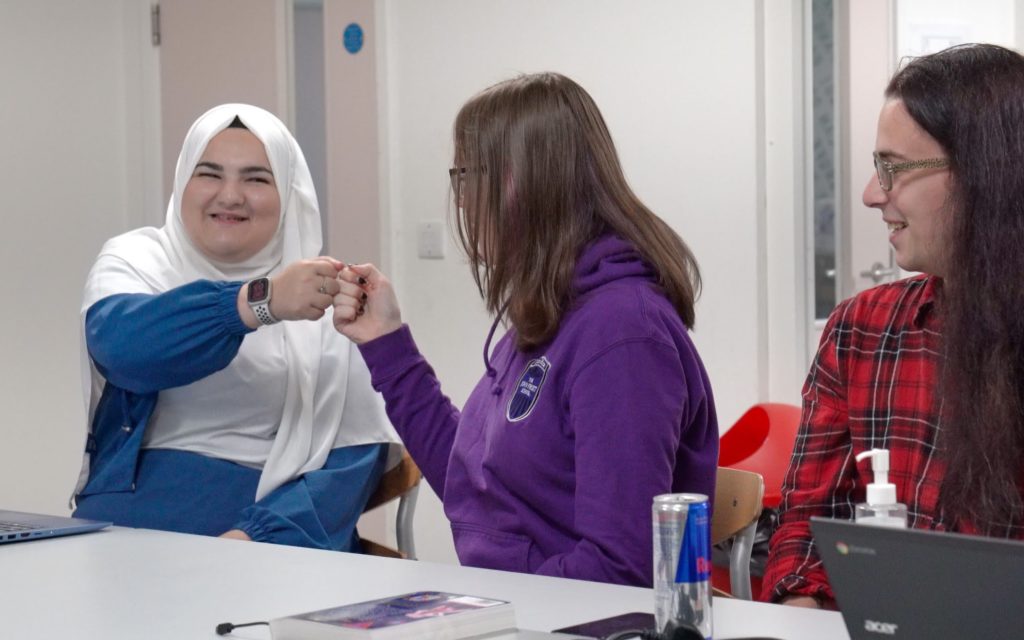
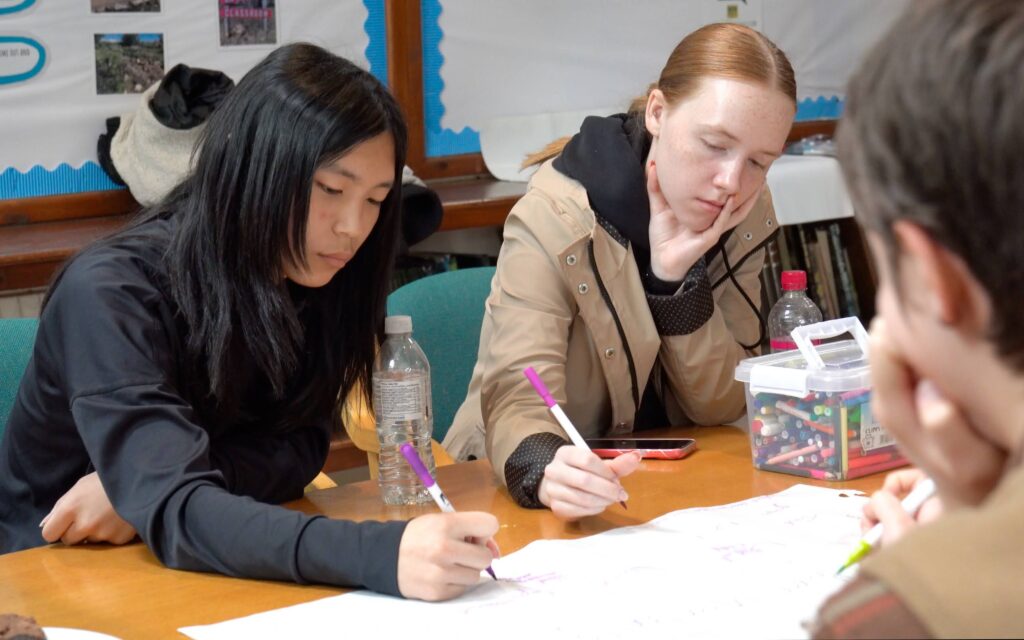
The partnership supports young people to co-design and develop new approaches to young people’s mental health and resilience, using a service design methodology. We have recruited 11 paid Peer Service Designers aged 16-24 across Gwent to guide the project’s direction. Recognising them as true collaborators, they are paid the Real Living Wage.
Our approach
The Discovery phase established the true needs of Gwent’s young people, gathering deep insights from 203 participants aged 11-27. Young people told us they don’t know where to get help in the areas they live. They feel overwhelmed by too much information and don’t know where to start. They fear stigma and need trustworthy, flexible support.
These insights led to the definition of three core solution strands.
1. Design for change
We have created Gwent’s first community of practice for professionals supporting young people’s mental health. This didn’t exist before. It started as project update meetings for named partners but evolved into something much more valuable.
We asked ourselves: why should people just come and listen to what we have to say? Why don’t we turn this into a space where you come and tell us what you’re doing, what challenges you’re facing, and how we can work together to solve common problems? What have you tried and tested that worked really well?
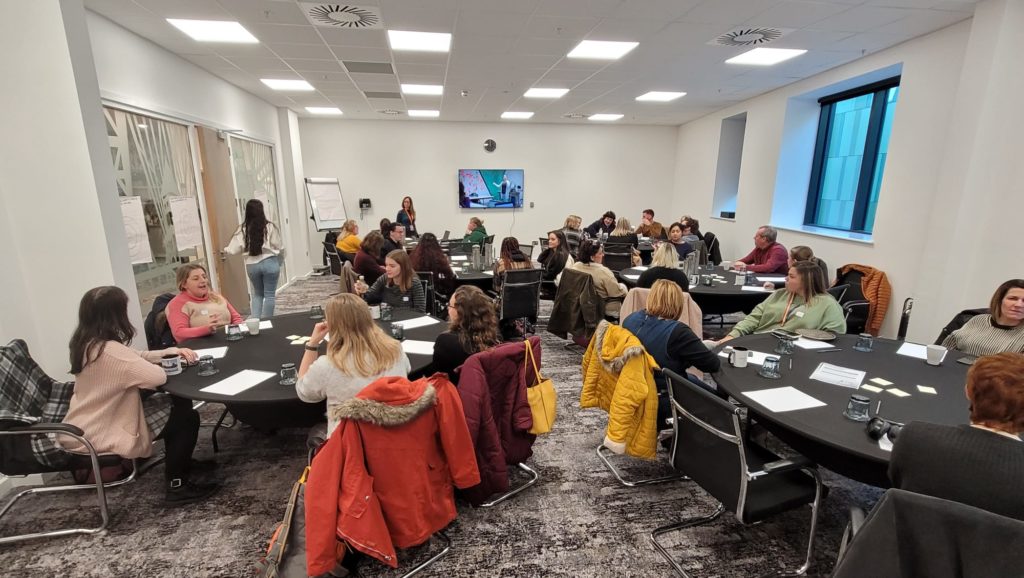
The community of practice now meets twice a year in Newport. It’s open to anyone working with young people in Gwent, regardless of whether you work specifically in mental health. Professionals present to each other, share good practice, and problem-solve together. At our last meeting, we had five presentations from different organisations sharing their work and challenges.
The next step is collaborative problem-solving. Professionals have told us they want to work through common challenges together and find solutions for young people across the region.
Improving existing pathways
One of our key successes has been working with the SPACE-Wellbeing Panels (Single Point of Access for Children’s Emotional Wellbeing). Our Peer Service Designers identified significant barriers: young people couldn’t find the self-referral forms, and when they did, the questions didn’t make sense.
Perhaps most powerfully, the young people asked: if I know exactly when my Domino’s pizza arrives, why can’t I be kept informed every step of the way when I’m asking for mental health support? Why am I just waiting around for nothing?
Tracey Smith, Interim Children’s Centre Manager & SPACE Wellbeing Team Manager listened and made changes to the referral process immediately. Now, young people receive updates after submitting their referral form to let them know that their form has been received and that they will hear from SPACE within a certain timeframe. We are now co-designing a video with SPACE on suicide and self-harm prevention.
Our Peer Service Designers have also trained professionals on what meaningful co-production actually looks like and how to do it properly, drawing on their involvement and experience with MoFG.
Tracey said: “MoFG has significantly influenced us by embedding the voice of young people into service design, enabling co-production through peer-led initiatives and inspiring a culture shift toward youth-driven mental health support across Gwent.”
2. Youth-created digital support
Young people told us they want to help their peers feel less alone. They want mental health to be something that can be talked about openly. Most importantly, they want their peers to know where to get help and highlight that there is no shame in seeking support.
Our Peer Service Designers run the Instagram account @KeepInMindGwent, creating content in formats young people actually use. This isn’t traditional health campaigning. It’s peer-to-peer communication designed by young people who understand exactly what their peers need to hear.
A powerful example is a video that takes a young person through the experience of attending a GP appointment about their mental health. The young people themselves said: we’re scared, we don’t know what to do. So they created a step-by-step video guide covering what to prepare, what to expect, and how to navigate that first conversation. Young people have found this information on Instagram and used it to access support.
The account also showcases local support services through interviews and features, helping young people in Gwent discover what’s available in their area. Services like Meic have been highlighted, bringing local support directly to young people through a platform they already use.
Video presented in a format that young people regularly engage with made a difference.
3. Young people as trainers
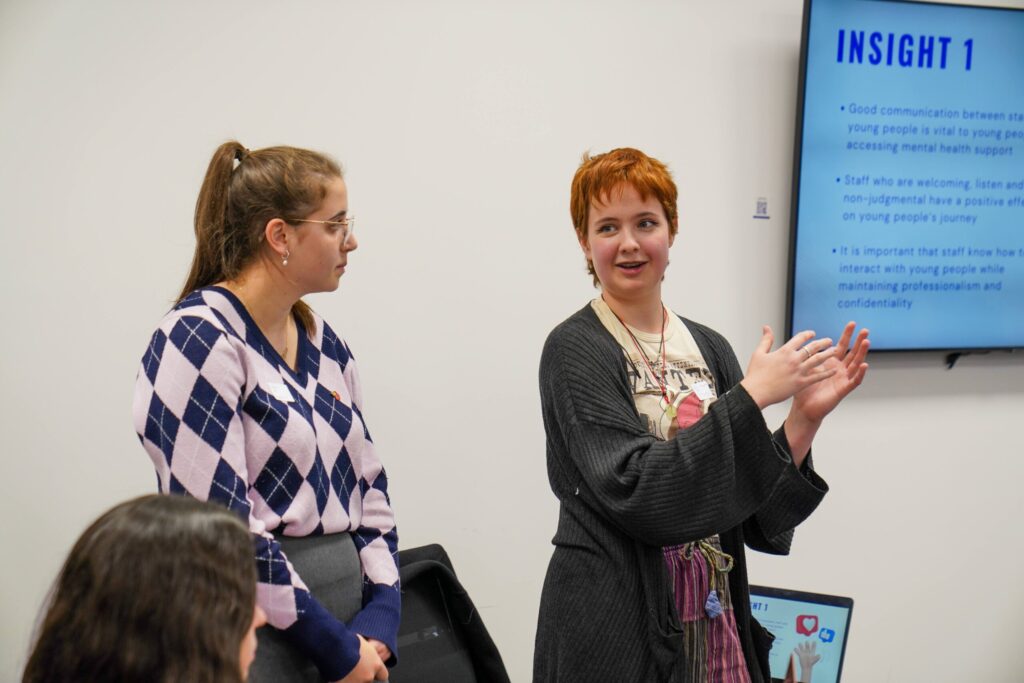
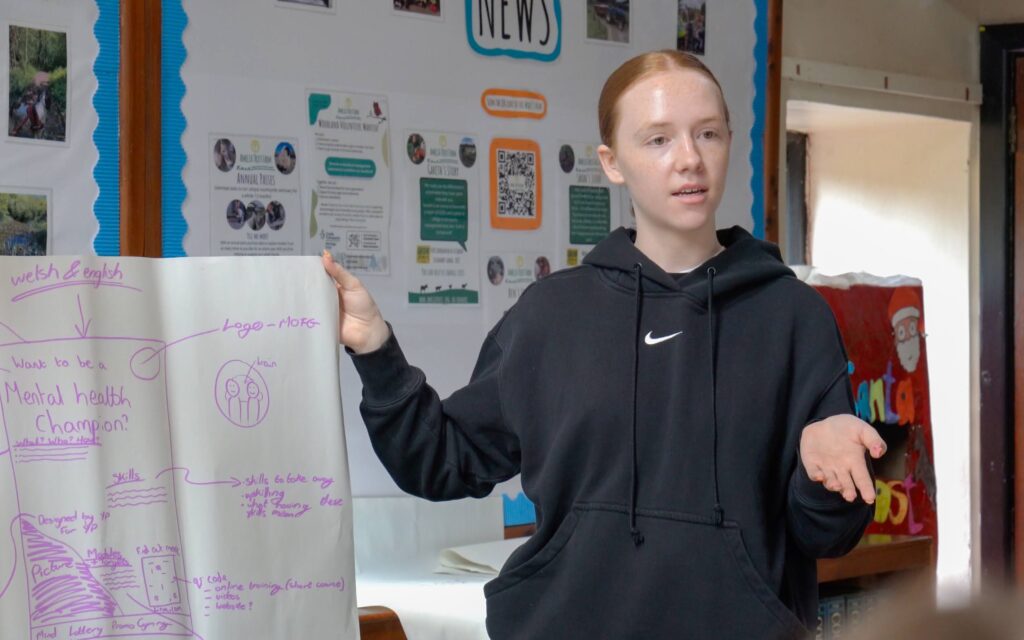
What makes our training unique is simple: the young people are the trainers. We don’t know of any other mental health training delivered entirely by young people. They’re not just co-designers who had input. They are the people who turn up and deliver the sessions.
We run two programmes: one for professionals and one for young people. The professional training uses a 4Rs framework (Realise, Recognise, Respond, Refer) based on trauma-informed approaches and safeguarding procedures. The young people’s training adapts this to 4Bs (Bias, Be Aware, Building Trust, Boundaries), emphasising the importance of balancing being there for your friend while maintaining your boundaries.
The training goes beyond theory. A key element is getting professionals to put their learning into practice through ‘in action’ scenarios. The young people themselves play the role of someone needing support. They present a case and then ask: how would you speak to me? Remember what we’ve covered. Now show us.
Then comes the instant feedback. The young people tell the professionals directly: that was great, but when you said that, I felt judged. Or: that felt patronising, you could try it this way. Or: spot on, that’s exactly what I would recommend.
Professionals have told us they find it incredible to hear information from young people themselves. You would sit up and listen if a young person told you directly: this is how I would like to be supported. Do it like this. Don’t do it like that.
Rebecca Stanton, who is the Regional Children and Families Transformation Lead at the Gwent Regional Partnership Board, said: “The training was really insightful, and provided professionals the right level of challenge and support to think about how they might approach speaking with young people regarding their mental health. The scenario element of the training was fantastic to ‘practise’ the way in which we discuss topics and offer feedback, and was a highlight feature in my opinion.”
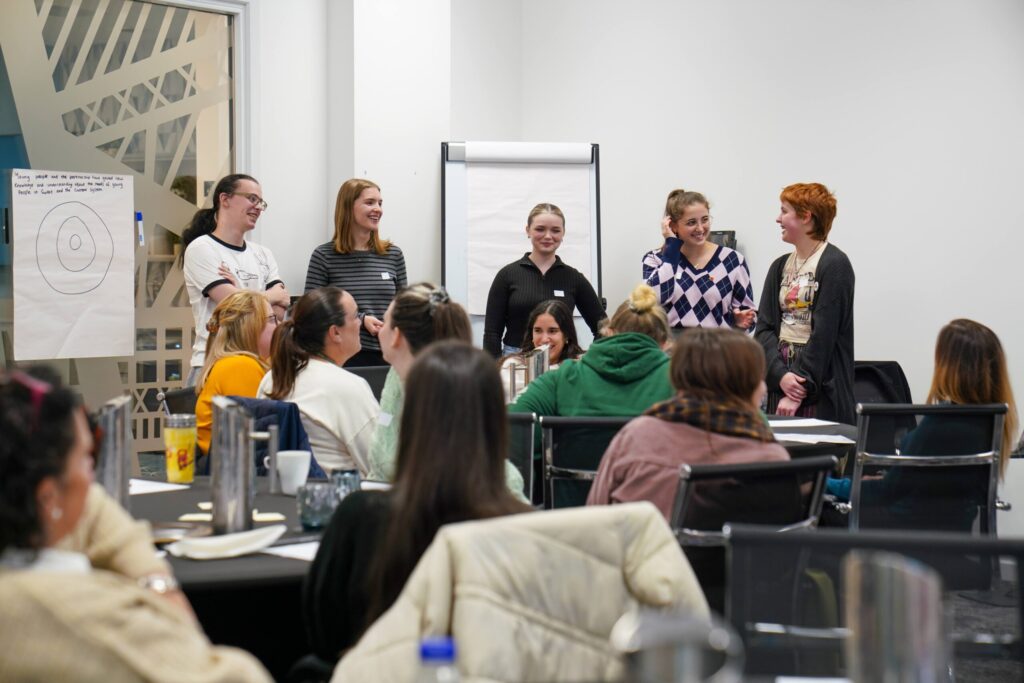
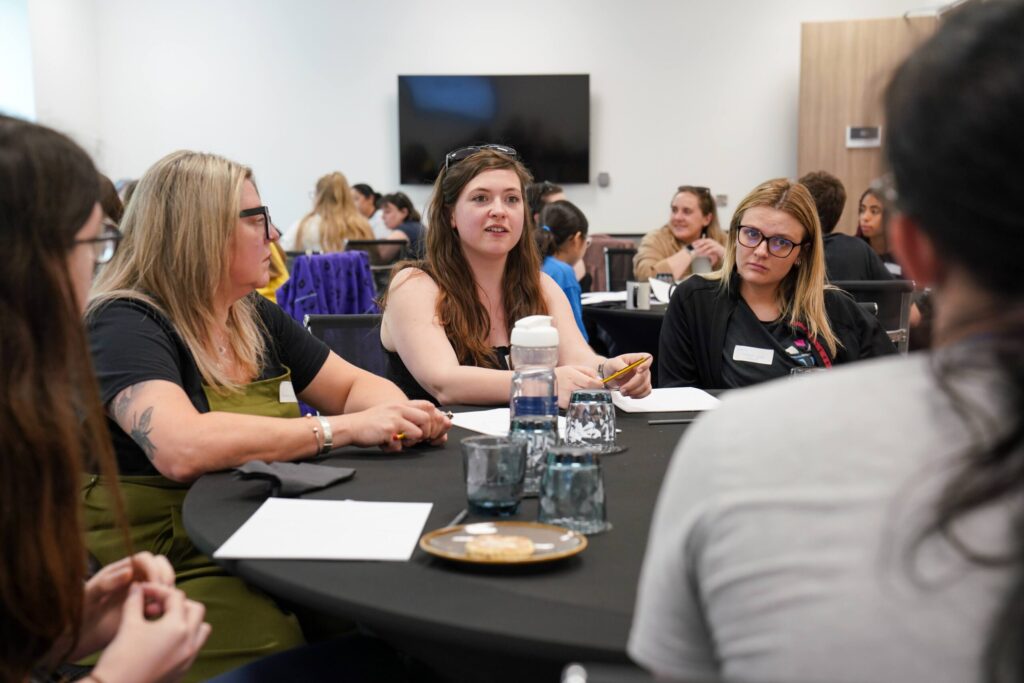
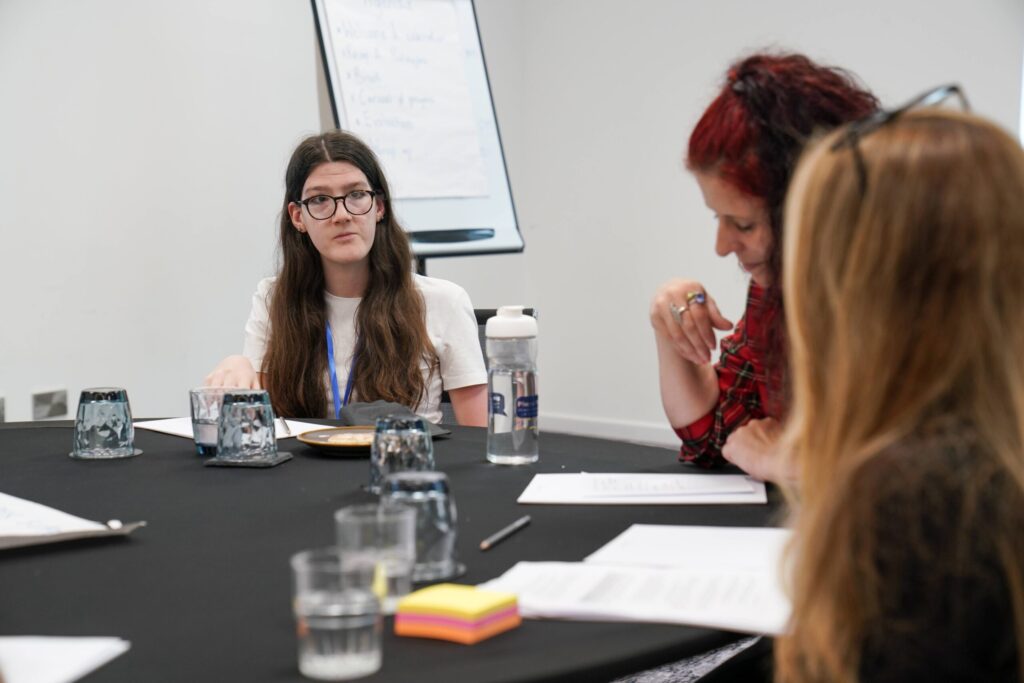
The peer training equips young people to support their friends while maintaining healthy boundaries. If your friend comes to you and says they’re struggling, what do you say? We teach young people to listen, to make their friend feel heard, but always to signpost to appropriate services. We don’t expect them to become social workers. But they can tell their friends where to go.
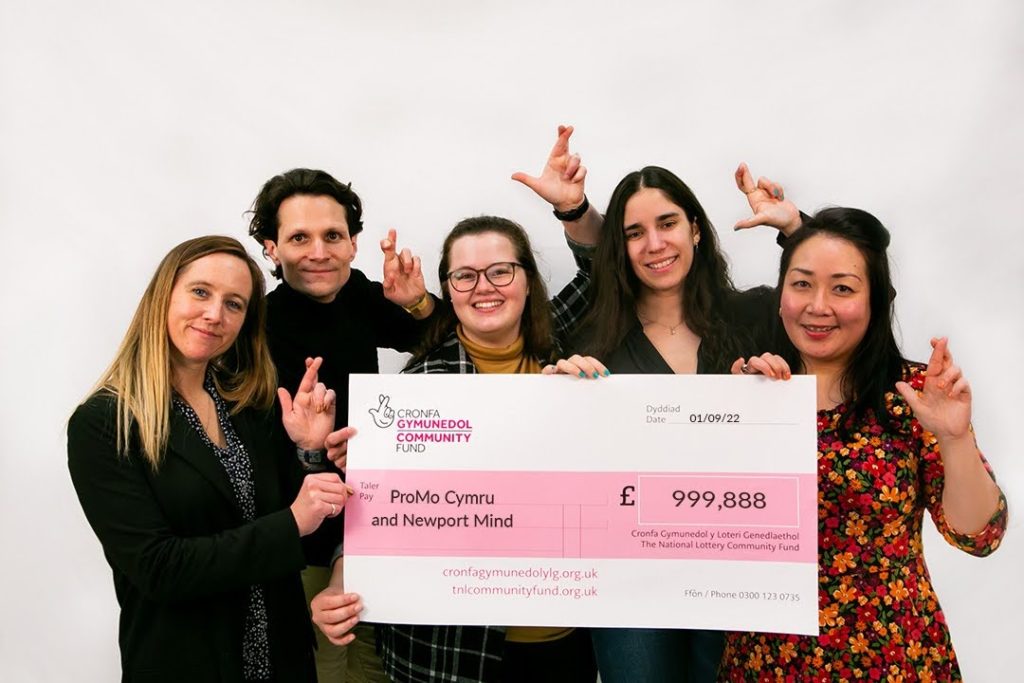
Mind Our Future Gwent is funded by The National Lottery Community Fund. Thanks to National Lottery players, we have been able to recruit and pay young people as Peer Service Designers, develop youth-led training programmes, and create a community of practice that is changing how mental health services are designed and delivered across Gwent.
One of the Peer Service Designers, Helen Lantzos (19), said: “I’m proud to see real change we are making to young people’s lives and services in Gwent. Being able to see the actual physical change that we are creating is an indescribable feeling. A lot of time when you get opportunities like this, you do all the work and there’s a lot of talk about change. However, nothing actually ever happens in the end. So to be able to follow through on our promise to young people makes me feel extremely proud.”
If you would like to speak more in depth about any aspect of our work and how it could apply to your health setting, then please email cindy@promo.cymru