


A Beginner’s Guide to VR: What Is It and How Does It Work?
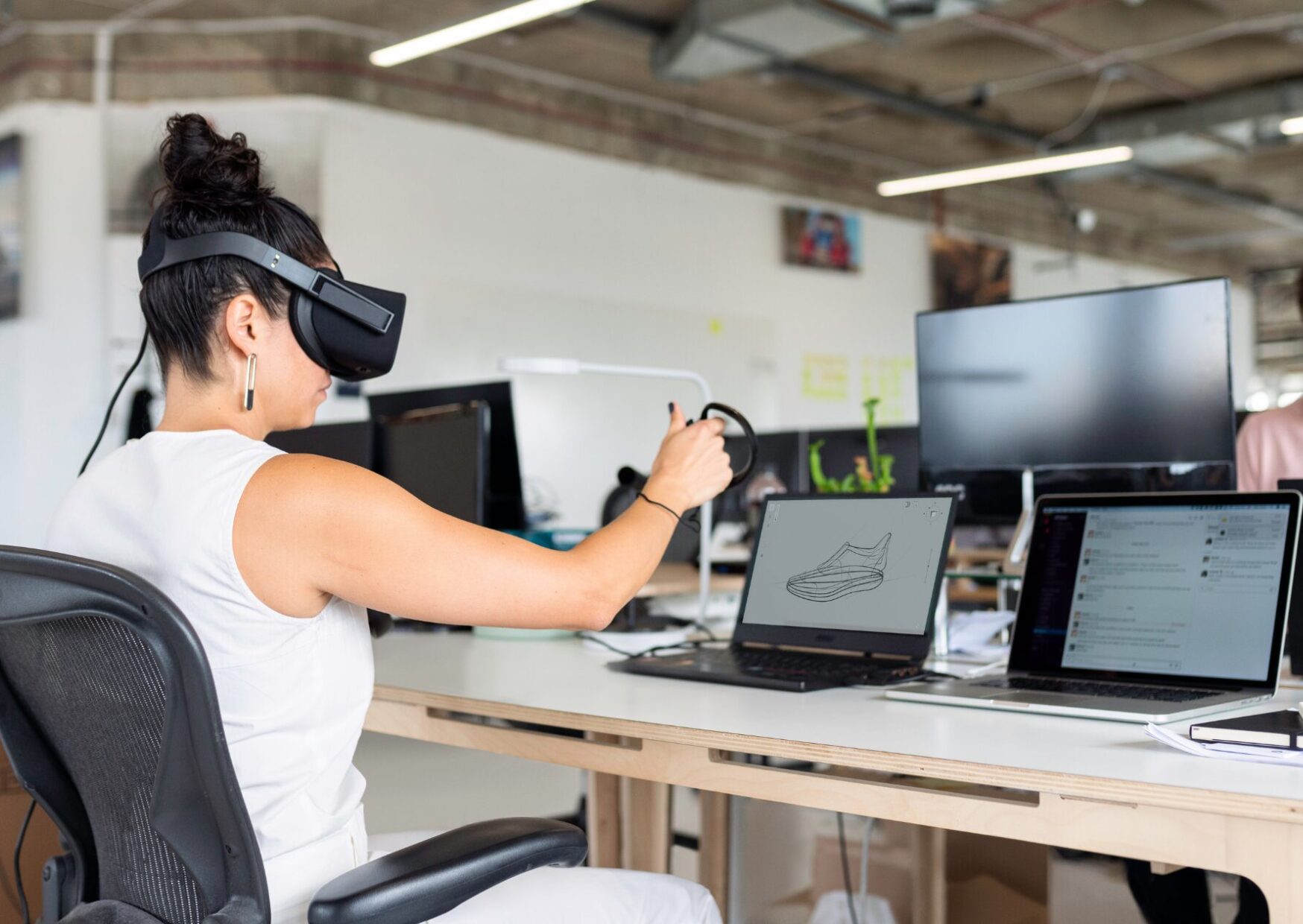
Virtual Reality (VR) is a rapidly growing technology that lets you experience things in a completely new way. Imagine exploring the pyramids of Egypt, battling aliens on a distant planet, or even attending a business meeting, all from the comfort of your home.
How does VR work?
When you put on a VR headset, it blocks out the real world and replaces it with a simulated one. These 3D environments can be incredibly detailed, with sights and sounds that make you feel like you’re truly there.
VR headsets completely cover your eyes, blocking out distractions and transporting you to another world.
The headsets have 3D near-eye discs, almost like wearing glasses. These high-tech screens create the illusion of depth, making the virtual world feel real and three-dimensional.
VR can track the movements of your head and sometimes your hands. This allows you to interact with the virtual world naturally, just by turning your head or reaching out your hand.
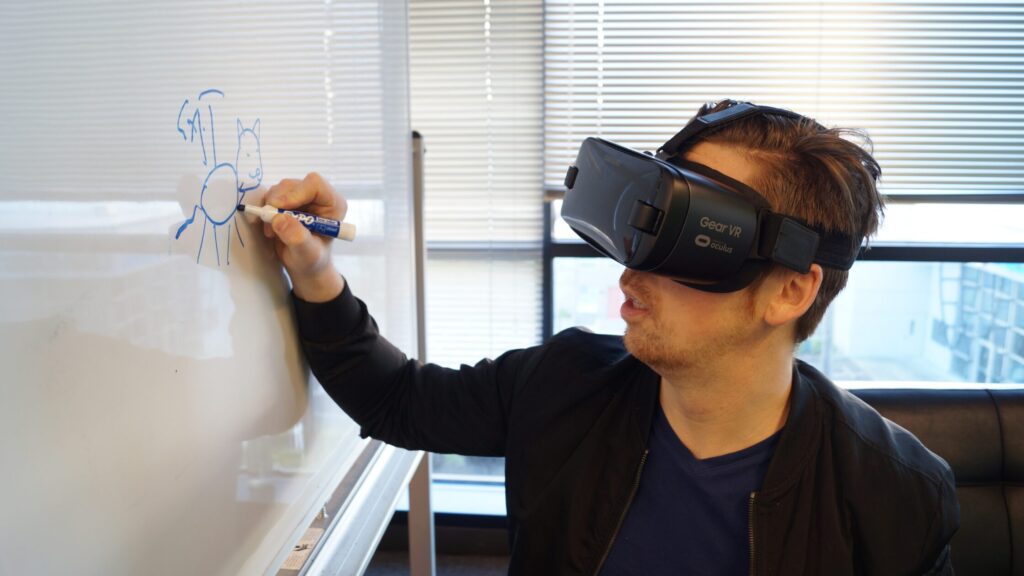
Is VR just for gaming?
While VR gaming is a popular way to experience fantastical worlds in games, the applications of VR extend far beyond entertainment. VR is ever-evolving, with some great applications, including for education, business and healthcare.
VR revolutionises the way we learn. Imagine taking a school trip to the Great Barrier Reef or performing a surgery in a safe, virtual environment.
Organisations are using VR for training simulations, product design, and even for holding virtual meetings with colleagues across the globe. It’s a powerful tool for collaboration and innovation.
What’s the difference between VR, AR, and MR?
VR stands for Virtual Reality, whilst AR means Augmented Reality and MR is Mixed Reality.
These all come under the umbrella term, Extended Reality (often referred to as XR).
Unlike VR, AR doesn’t replace your real world. Instead, it overlays digital information onto your real-life surroundings. Imagine looking up at the night sky and seeing constellations and information about stars displayed through your phone screen. AR essentially adds a layer of digital information to the physical world. An example of an AR you might have heard of is Pokémon Go.
MR blends elements of VR and AR. It creates a hybrid environment where virtual and real objects coexist and interact in real time. Imagine you’re fixing your bike. Through MR, you could view a see-through image of the world in front of you. Superimposed on that image, you see a glowing blue outline of the exact wrench you need and where it is on your workbench. It combines the real world (your bike) with a virtual object (the wrench) that you can see and interact with.
Learn more about VR
At ProMo Cymru, we’re passionate about exploring the potential of new and emerging technology, especially within the Welsh third sector.
We understand that VR is a growing field, but for those unfamiliar with the concept, it can feel daunting. That’s why we’re committed to creating a wealth of content designed to demystify VR, showcasing VR in action and helping you to decide if VR is right for your organisation.
Here are some blogs we’ve created to help you get to grips with the power of VR and how it could be used in the third sector:
- What Potential Uses Could VR Provide for the Third Sector?
- VR Office: Stepping into the Future of Working from Home
- Get your Hands on a Discounted Meta Quest Pro for your Charity
If you’re interested in VR and would like to talk to one of our staff about how it could work for your organisation, book a meeting with us through our free DigiCymru service. We can help you to establish how VR (or another digital solution) could help to tackle a challenge your facing.

Find out more about ProMo Cymru’s Digital Support Service here.
Search our huge bank of digital resources here. Blogs, guides, and toolkits on digital change, digital services, working digitally, funding digital and more.
Halyna Soltys
26 March 2025

Third Sector Digital
Technology

Related Articles
Codesign
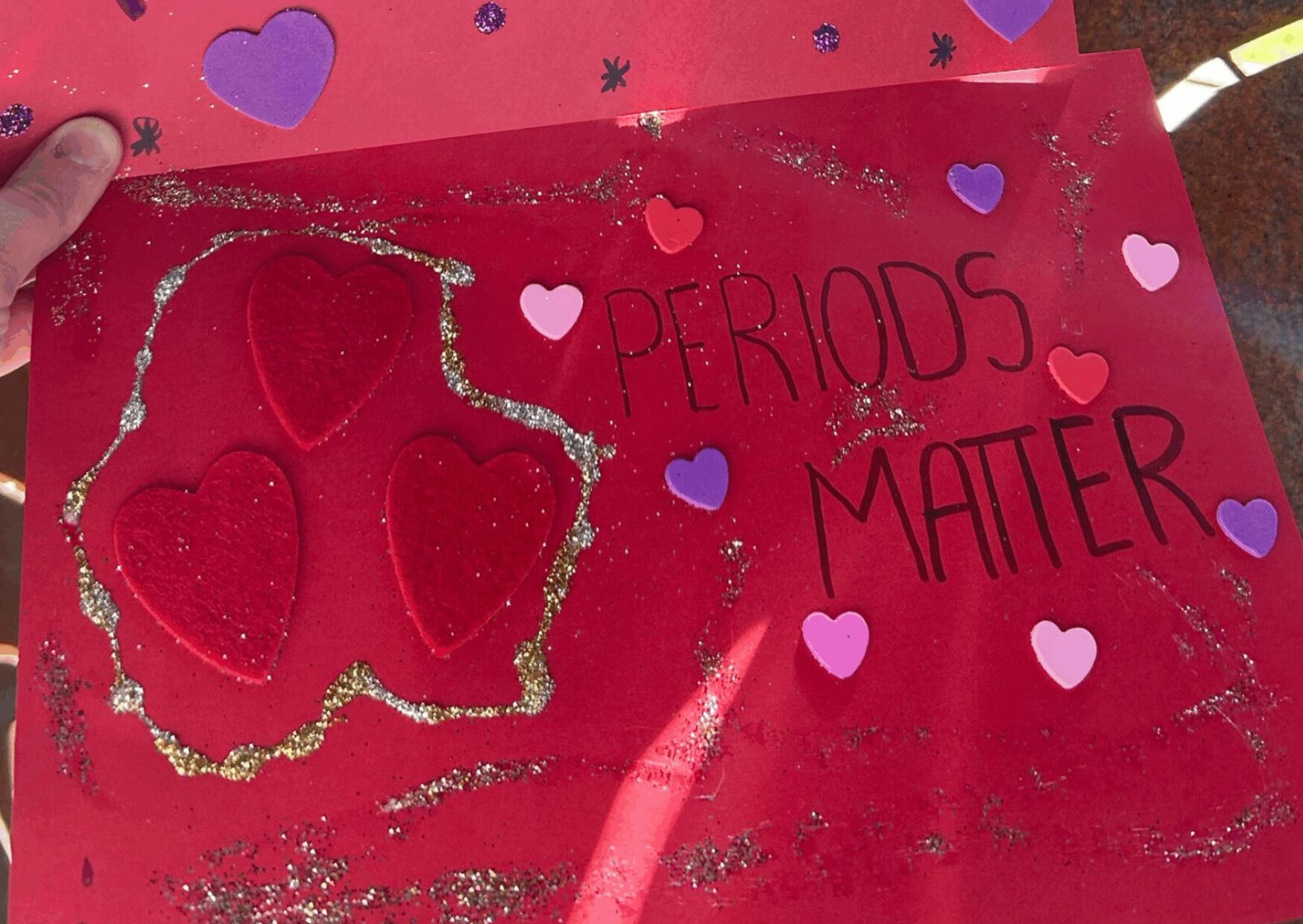
Love Your Period: A Co-Produced Campaign
At ProMo Cymru, we’re dedicated to amplifying young voices and creating meaningful change. Love Your Period, a co-produced campaign with the Meic helpline and young people from Wales, is a perfect example of this. We partnered with young activist Molly Fenton, founder of the Love Your Period campaign, and her team to create content that […]
ProMo Cymru
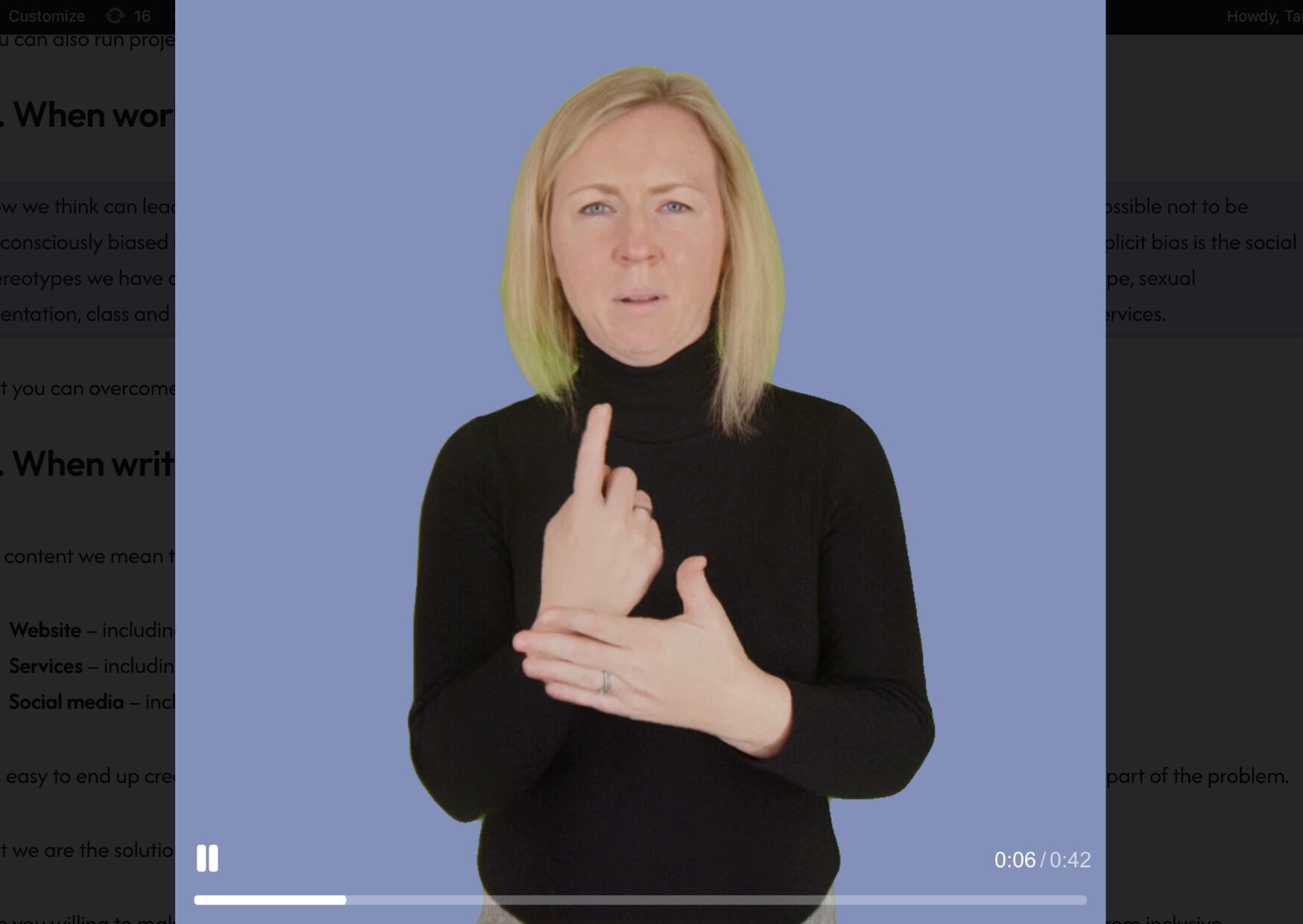
Signapse: Using AI to Improve Accessibility for BSL Users
ProMo Cymru is partnering with Signapse AI to make digital content more accessible through British Sign Language (BSL). Through this partnership, ProMo is exploring how AI assisted BSL translation can support digital communication while saving time and reducing barriers to implementation. Signapse is a Deaf-first organisation using AI to translate written content into high-quality sign […]
News
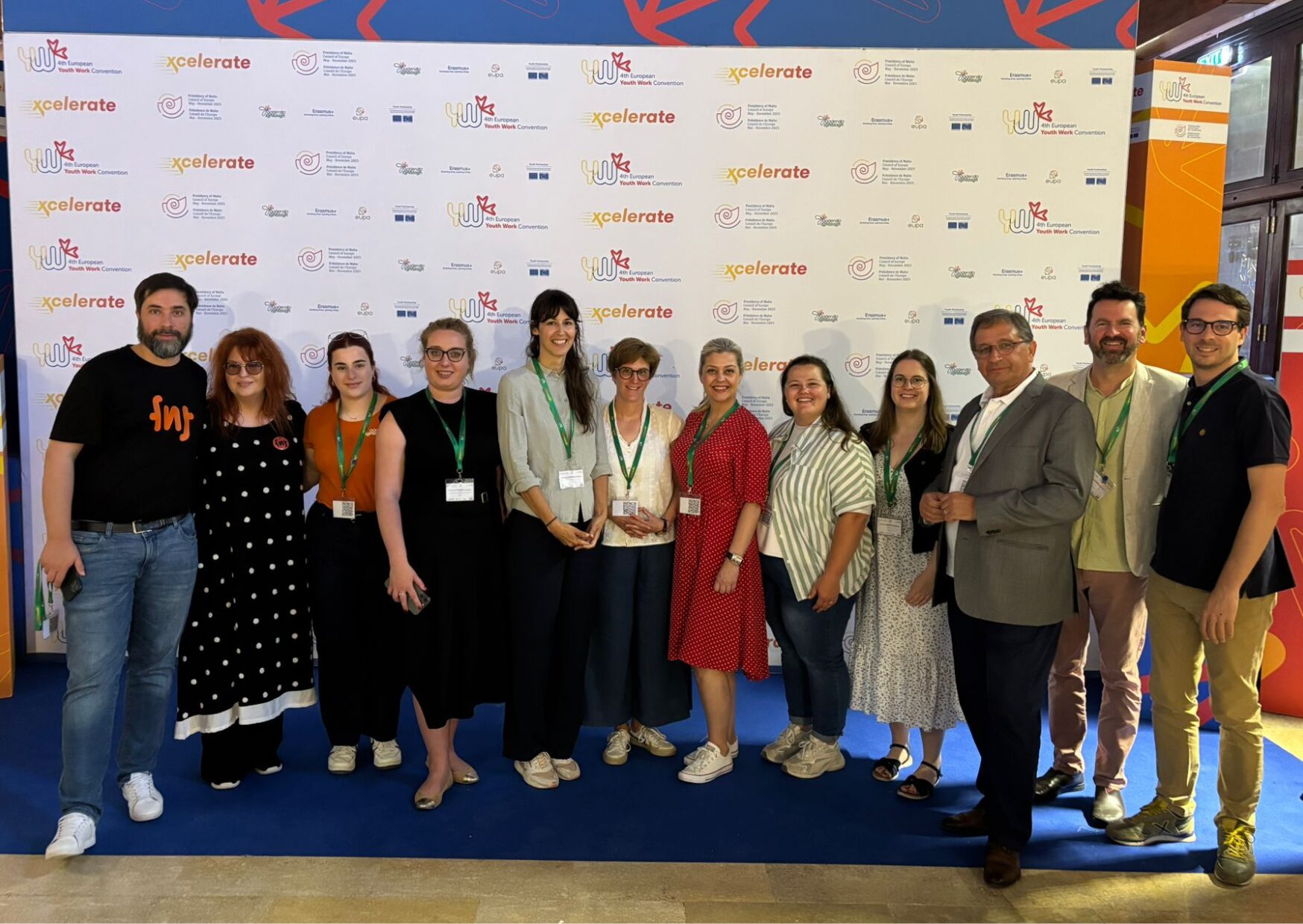
From Wales to Malta: Highlights from the 4th European Youth Work Convention
Earlier this year, ProMo Cymru’s Communication and Content Officer, Halyna Soltys, had the opportunity to attend the 4th European Youth Work Convention in Malta. The event, which only happens every 5 years, brought together over 500 members of the youth work community, including policymakers, researchers, and youth workers. The convention was a huge learning experience […]

