


Transforming Youth Mental Health Access Through Co-production in Gwent
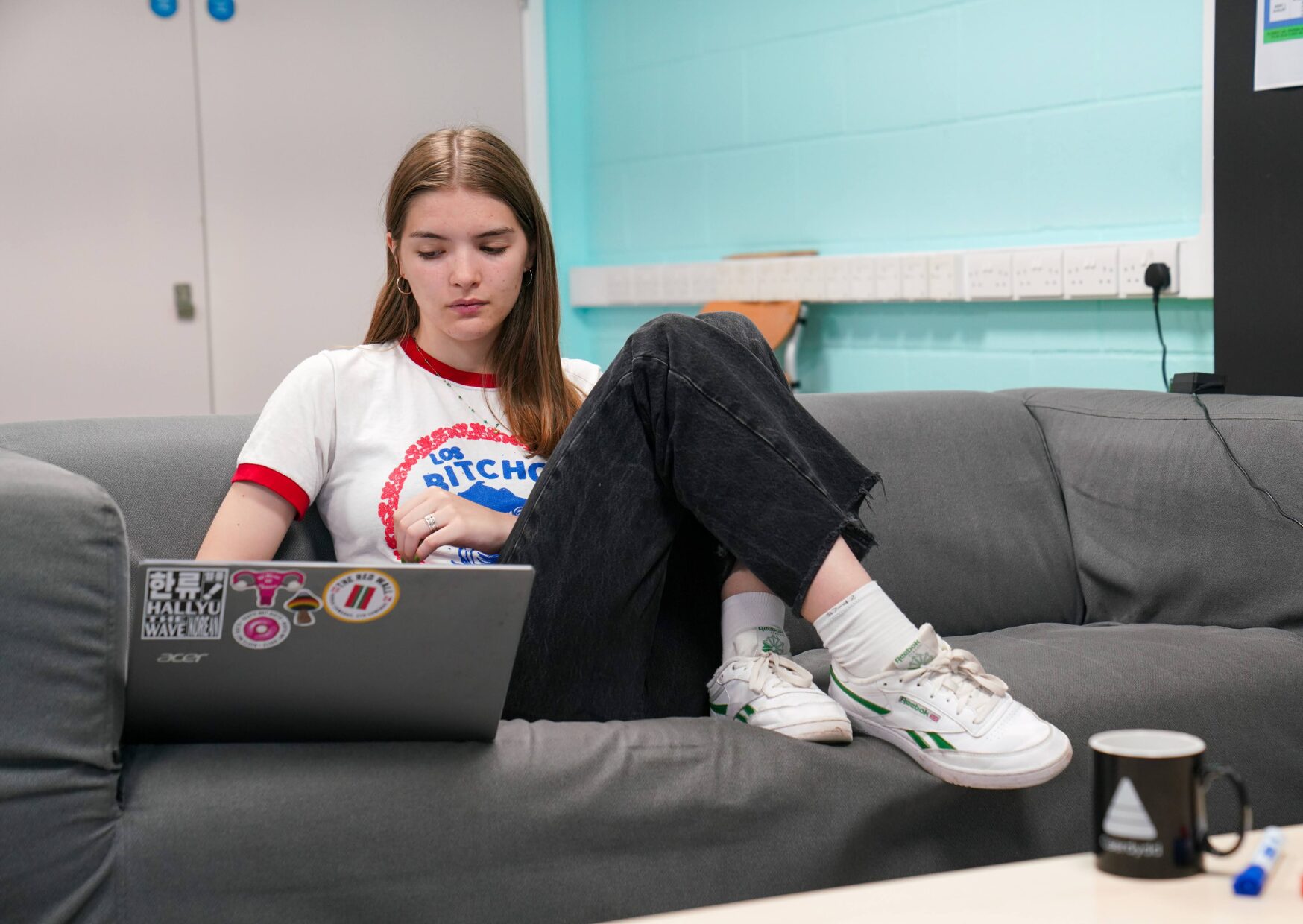
Young people and mental health professionals are working together to directly improve services for youth in Gwent.
Young people co-leading the Mind Our Future Gwent (MoFG) project have been working with Gwent SPACE-Wellbeing Panels to improve access to mental health services. The panels are a single point of access for children’s emotional wellbeing and mental health across the 5 local authority areas of Gwent.
This case study demonstrates the impact of integrating youth voice into service development. It shows that young people should not only have a say in the services that affect them, but also be active participants in the creation and improvement of services based on their own research and lived experience.
This case study is written by MoFG’s external evaluators, Anna Nichol and Richard Thurston. It is based on an evidence session that they held with SPACE-Wellbeing Panel coordinators in July 2025 as part of the Mind Our Future Gwent evaluation.
Co-production in action: shaping services with youth voices
The SPACE-Wellbeing Panel coordinators have been engaged with the Mind Our Future Gwent project from its early days. The team regularly attend MoFG stakeholder events, sharing their journeys, insights, and ideas.
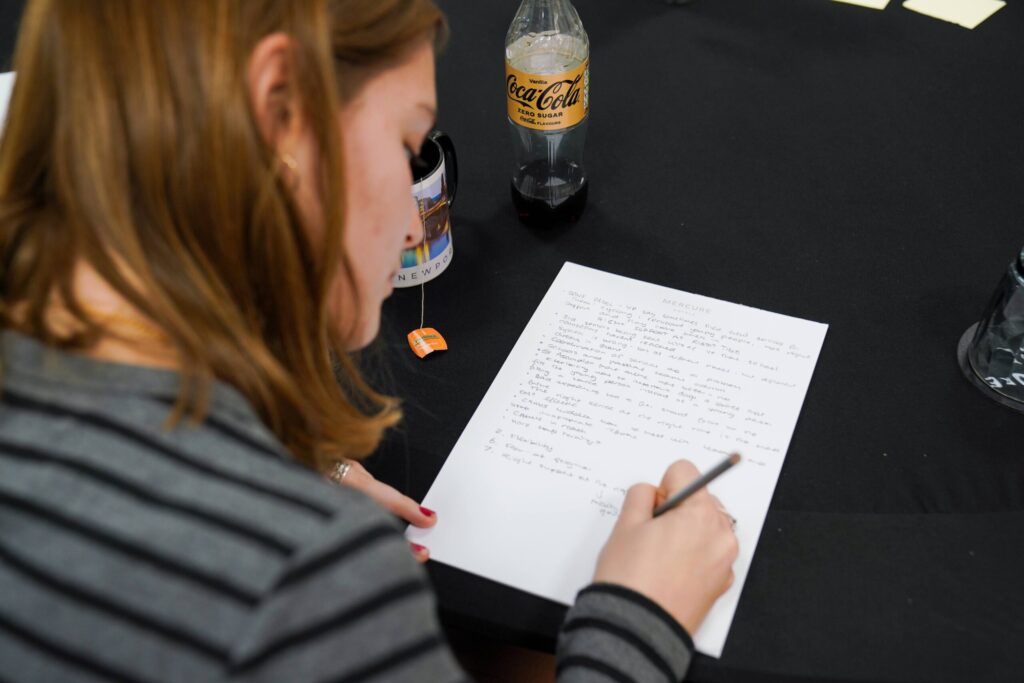
When the project identified young people’s ability to access support via the SPACE-Wellbeing Panel as a problem, the coordinators agreed to work with them to co-design service improvements. They worked directly with the Mind our Future Gwent’s Peer Service Designers (PSDs), young people from Gwent, to understand the problem and co-design solutions.
Creating change together
The first barrier they identified was young people’s ability to make self-referrals. The SPACE-Wellbeing Panel invited referrals from a range of sources, including parents, schools, and health professionals, but not directly from young people themselves.
The coordinators listened to what the Peer Service Designers saw as the problem. Even if young people were encouraged to use the form to self-refer, it was difficult for them to find and hard to understand.
Working together, the PSDs and SPACE-Wellbeing Panel coordinators co-designed and tested improvements to the referral form. The young people’s input was genuinely valued. The revised form now allows young people to self-refer and includes language that better reflects their lived experience.
Reaching young people digitally
Since working with MoFG Peer Service Designers, the coordinators have begun exploring digital strategies to increase visibility, such as through meta-tagging keywords relevant to young people’s online searches. It is hoped this will facilitate easier access to mental health support when young people search for support online.
“… [accessing young people directly via social media means…] the young person doesn’t have to go through their parents… which is very empowering.”
Panel coordinators are also interested in co-producing animations and digital outreach tools, using MoFG’s social media presence as a model to expand their engagement.
Making a difference: better access to services
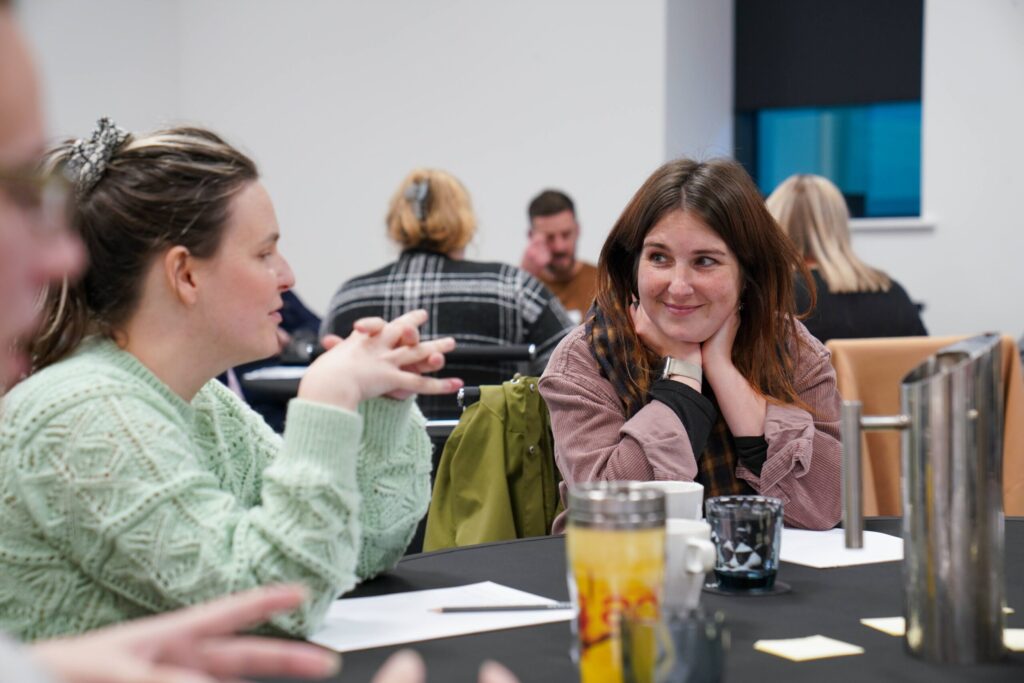
These changes are already making a difference. Firstly, the group told us how the confidence of the young people, many of whom had been service users, has grown. Seeing them being part of meaningful change had a positive impact on these young people.
The form’s improved clarity and inclusion of youth voice have also led to more accurate referrals and better alignment between needs and service pathways:
“When you’ve actually got the voice of the child and then they go to that right support and then you don’t see that referral coming back, you know then you’ve got it right… we are making a difference to that young person.”
The rewording is empowering young people to seek support independently, rather than relying solely on parent or carer-led referrals:
“… we’re starting to see an increase in the number of young people that are filling in the… questionnaire.”
The involvement has also influenced practitioners’ professional satisfaction:
“If you know that it’s coming from the young person, you know they’re going to a service that… they can engage with. You feel then, yeah, actually we are making a difference.”
System-level ripple effects
The work has triggered some ripple effects across services. For example, some local panels have now revised their professional referral forms to include youth perspectives, ensuring that practitioners speak directly with young people before making service recommendations.
Building bridges and changing minds
When the group of MoFG Peer Service Designers attended a regional SPACE-Wellbeing Panel meeting, they had a big impact on senior professionals in the health board.
“They knocked everyone’s socks off… there were some job offers in the wings!”
This suggests real potential for meaningful youth inclusion and peer-design to shift perceptions and inspire system-wide change.
The learning journey continues
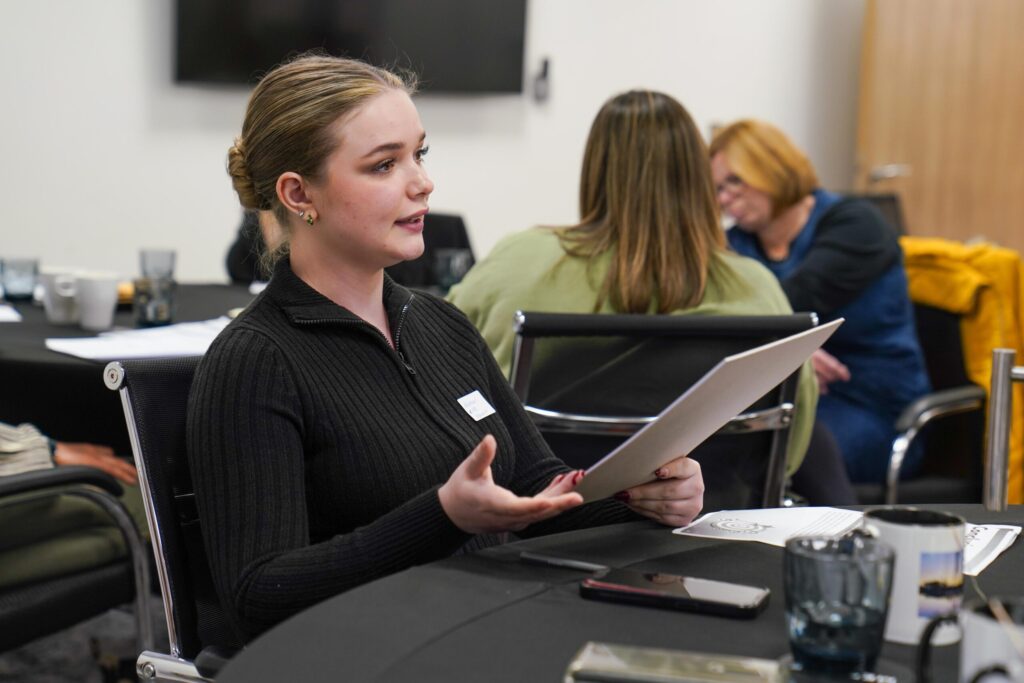
The coordinators saw this as the start of a longer journey. There are more problems to be solved in order to have a bigger impact. For example, more people, including government and senior leaders in the health board, need to be involved to create more systemic changes:
“There’s only so far… that we can take things because we’re… the middle men [sic]. It needs to go higher.”
They also voiced a desire for deeper relationships with young people, suggesting a formal “young person link” and perhaps more representative youth panels to sustain involvement and help co-design services longer-term beyond the end of the funded project.
As the young people who co-produced these reforms grow into adulthood, the coordinators hope new voices will join and carry forward the project’s ethos.
Lasting legacy
The SPACE-Wellbeing Panel members expressed strong support for sustaining and expanding MoFG’s influence, calling for long-term investment and broader marketing to build awareness.
“They should just be out there marketing themselves… the more people hear about it, the more it will come.”
The joint work has shaped the SPACE-Wellbeing Panel service:
“…probably one of the best things we ever did was linking with them [MoFG]… in terms of our service. It’s been a game changer.”
By co-designing services, young people and the SPACE-Wellbeing Panel are delivering sustainable improvements to access and outcomes for young people in Gwent.
Halyna Soltys
20 August 2025

Codesign
Service Design

Related Articles
News
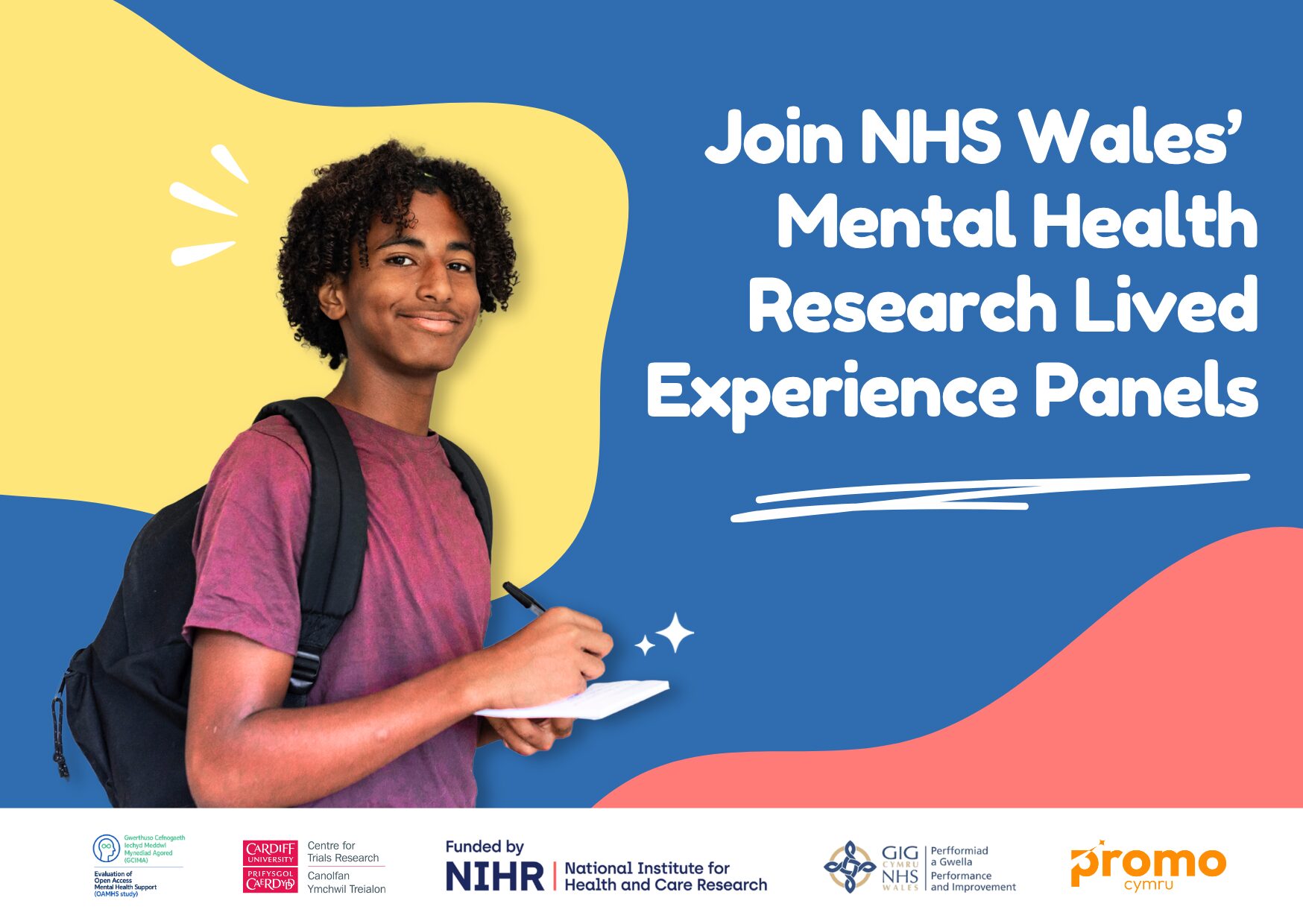
Paid Opportunity: Join NHS Wales’ Mental Health Research Lived Experience Panel
We are looking for people aged 14+ to join 2 groups (1 for young people and 1 for adults) to help us shape mental health research in Wales. About the research project People in the UK often wait a long time to get mental health support. In Wales, a new system is being introduced called […]
Jobs
[Closed] Job Opportunity: Communications and Projects Assistant
Up to 21 hours per week. Cardiff and homeworking. Join our amazing team! Are you enthusiastic about working on projects that support young people and communities to influence change? We have an exciting opportunity for a Communications and Projects Assistant to join our dynamic team and help deliver engaging communications and impactful projects. Why you’ll love working at ProMo Cymru: What you’ll be doing: Get in […]
Jobs
[Closed] Job Opportunity: Welsh Content and Communications Officer
Perfect role for a creative, fluent Welsh speaker. Calling all content creators – join our creative team! Are you a creative writer with exceptional Welsh language skills looking for your next career step in a dynamic environment? ProMo Cymru has an exciting, permanent opportunity for a Welsh Content and Communications Officer to create high-quality bilingual content and campaigns. Join our team! […]

